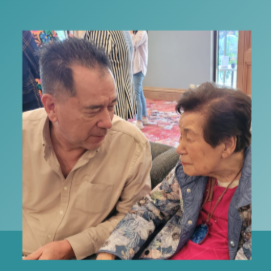
For many families, recipes are heirlooms — passed down, adapted, and carried across oceans. In my family, this heritage is deeply tied to the story of the Japanese war brides who came to Australia after World War II. Women like my Okaasan had to rebuild lives, raise families, and preserve their culture through what was most familiar to them: the food they cooked.
But Australia in the 1950s and 60s didn’t offer the luxury of Japanese supermarkets. Okaasan and other women improvised — using Italian spaghetti instead of udon, or finding new ways to create the flavours of home with what they could access. These meals were not just about feeding ten hungry mouths around our table. They were acts of resilience, love, and quiet determination to hold onto identity while embracing a new country.
Every dish told a story: the fusion of Japanese soup bases with European ingredients, the discipline of timing so every element arrived together on the table, and the unspoken lesson that cooking was about more than sustenance — it was about family, care, and connection.
Keeping these stories alive matters. They are not just culinary anecdotes — they are living history. By preserving them, we honour the resilience of a generation and keep their spirit alive for the children, grandchildren, and generations still to come. Help keep these stories alive — share it, talk about it, and cook this dish or a dish that connects you to your heritage.
Watch as I take you through the simple steps of making this easy, tasty dish. Give it a try, I’m sure you will love it and much as I do. You Tube Tutorial