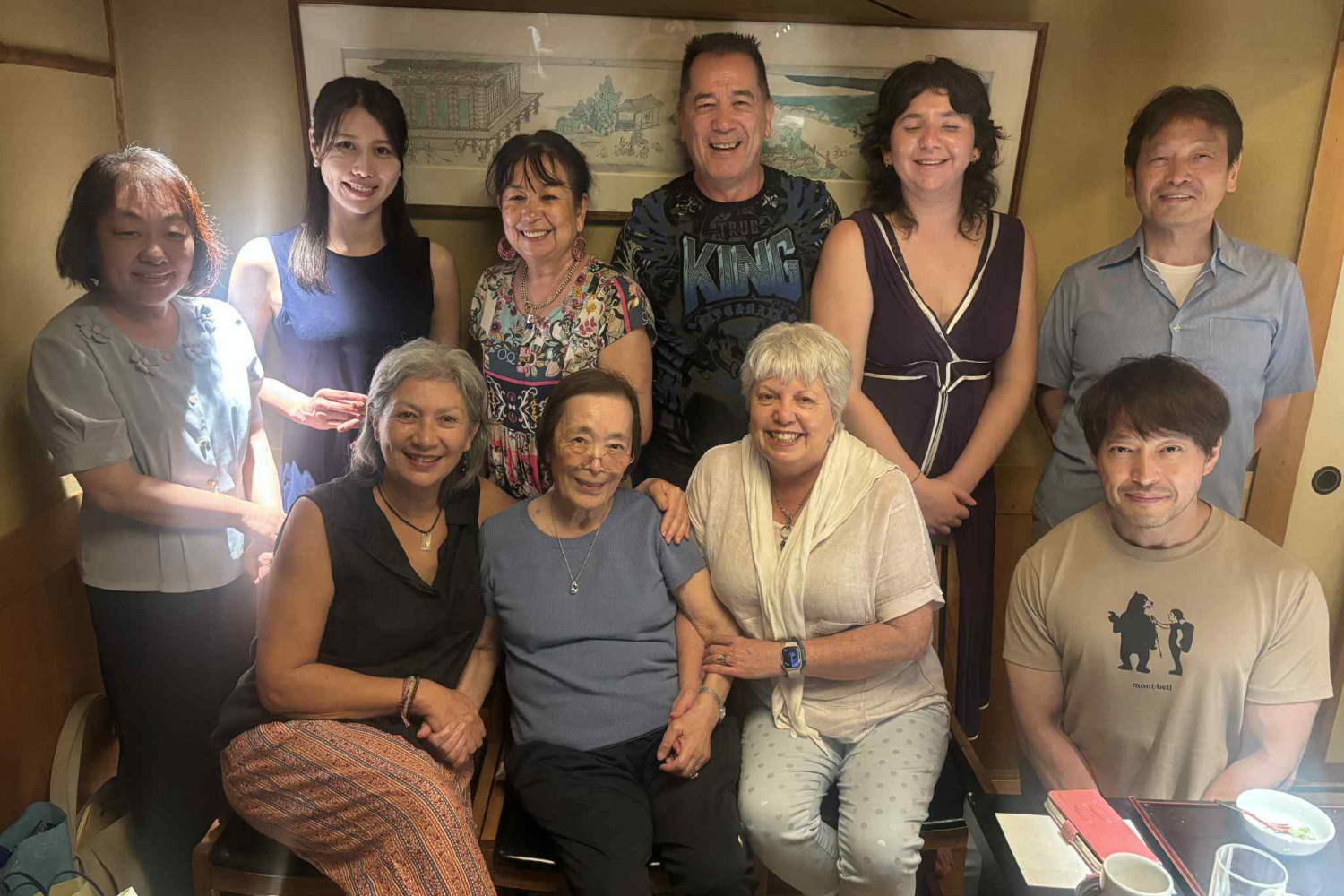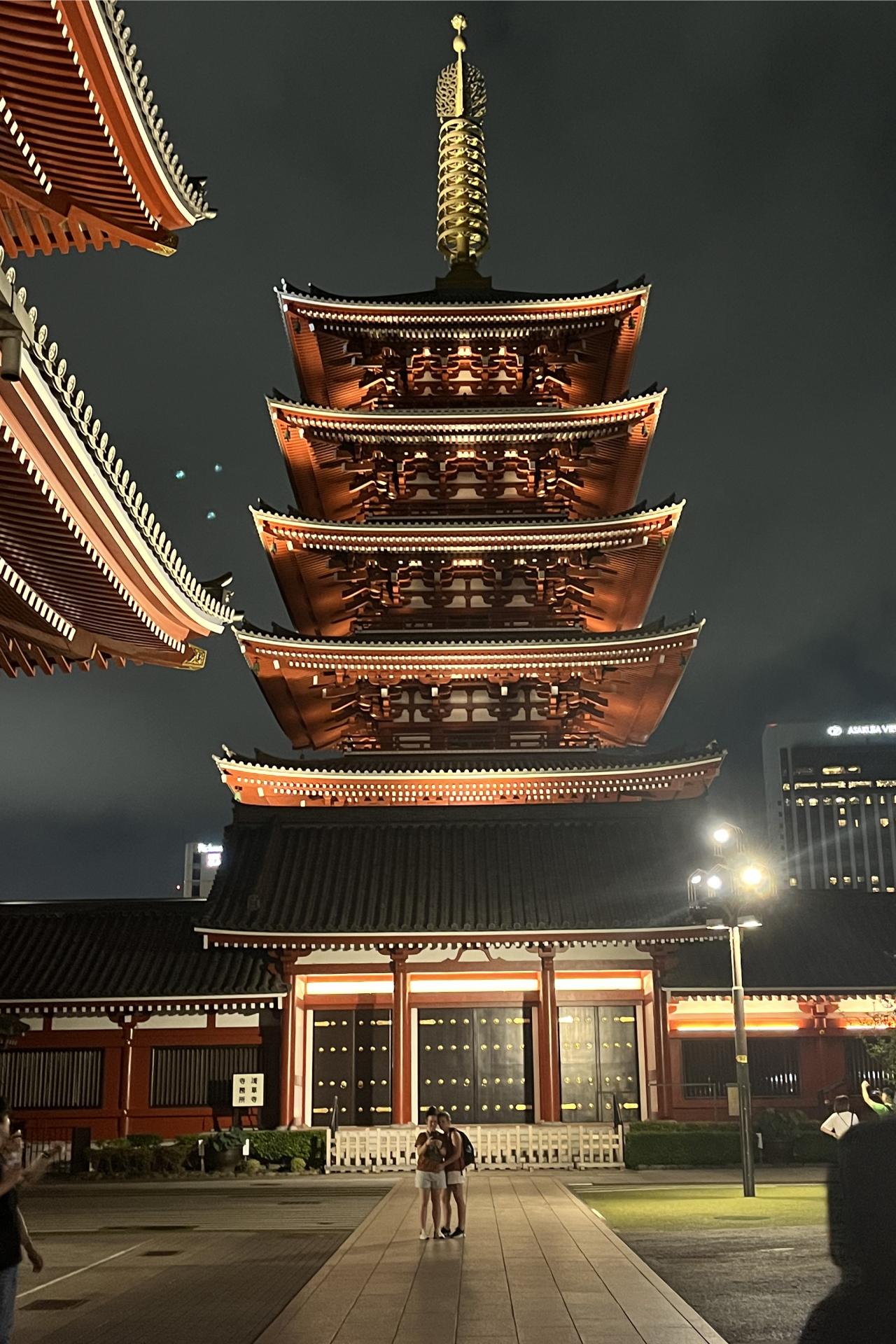
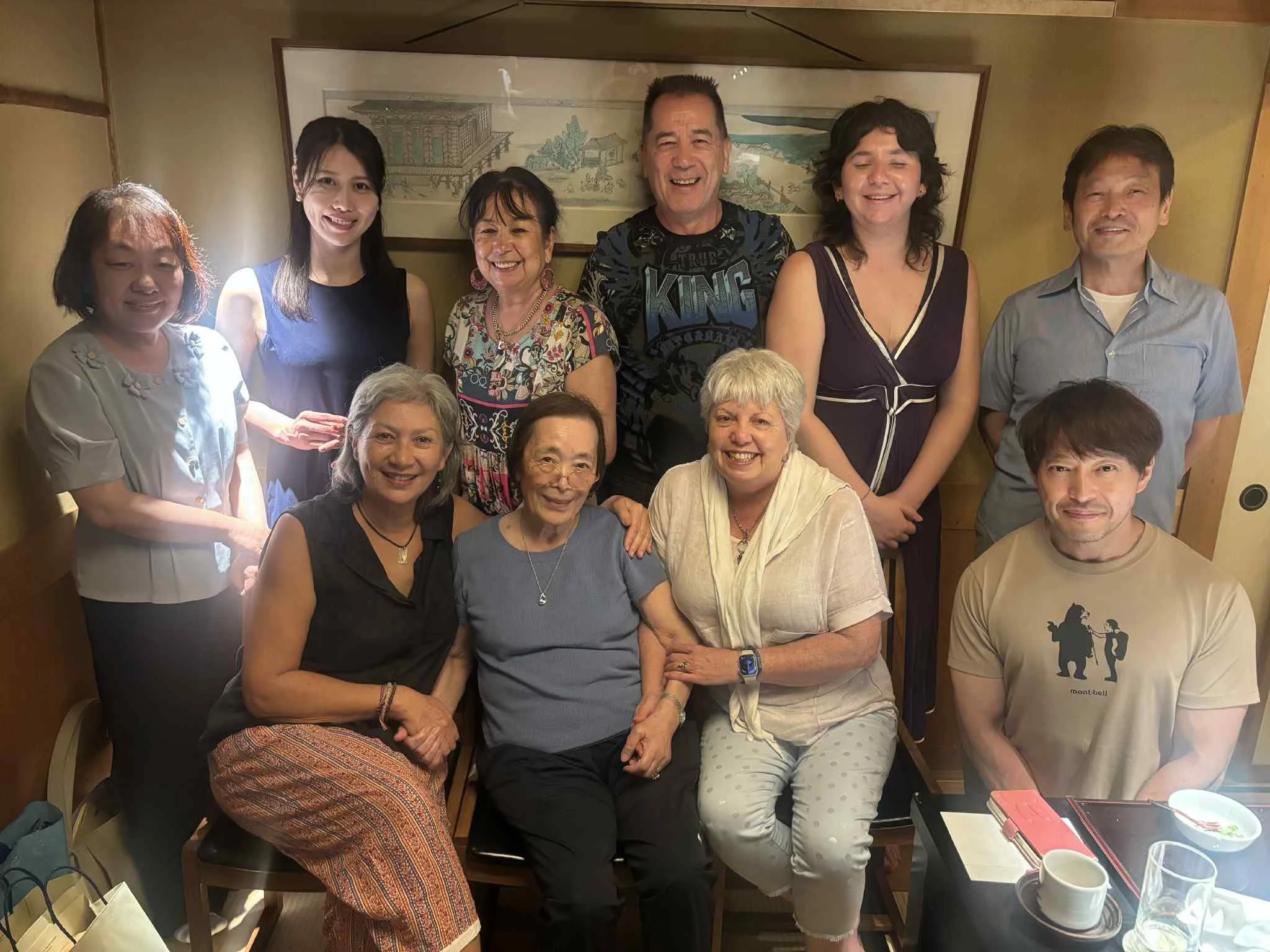
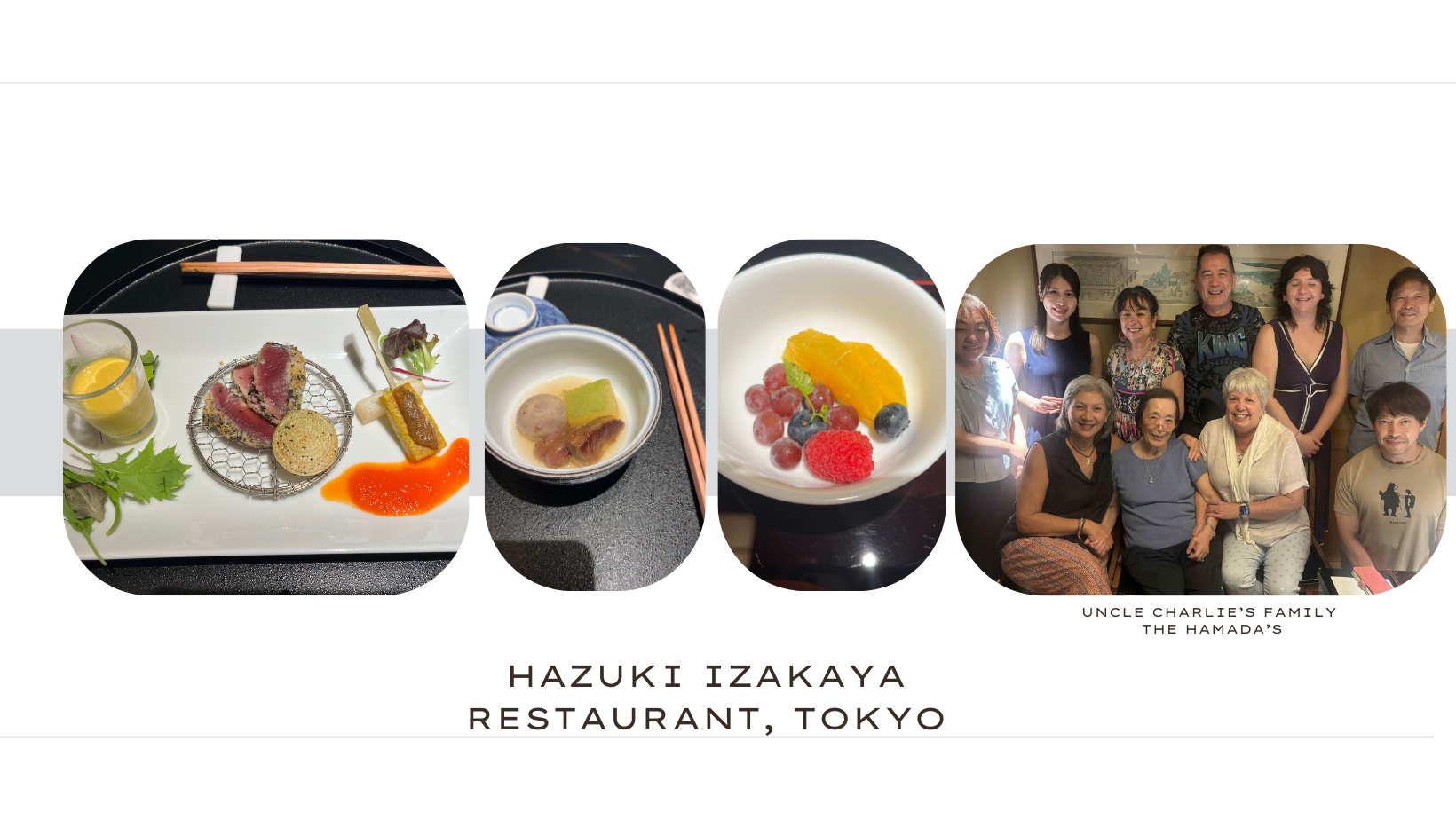
We were so delighted to be invited by Uncle Charlie’s family (you might remember him from Alli’s book At the Foot of the Cherry Tree) to join them for dinner at Hazuki Izakaya in Nishishinbashi. What followed was an evening that felt like both a reunion and a celebration — a catch-up more than 30 years overdue.
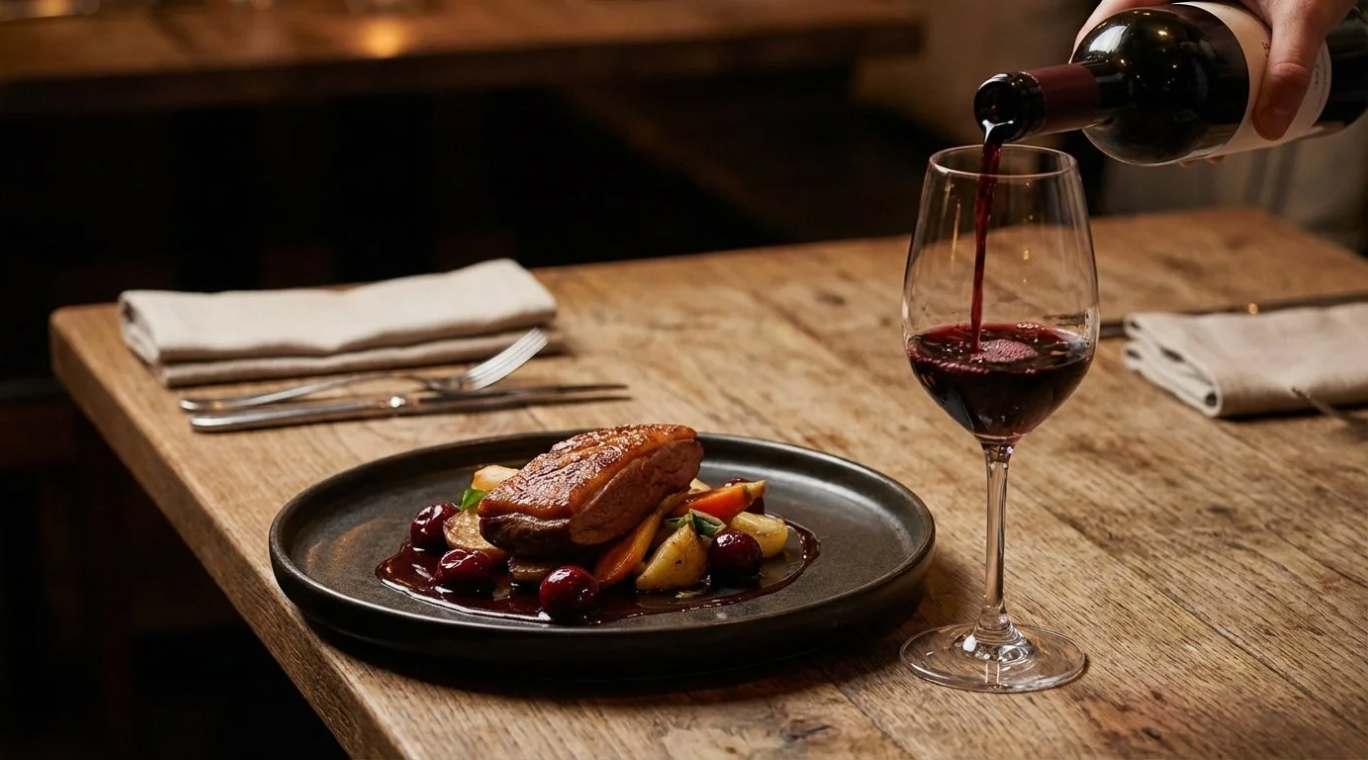
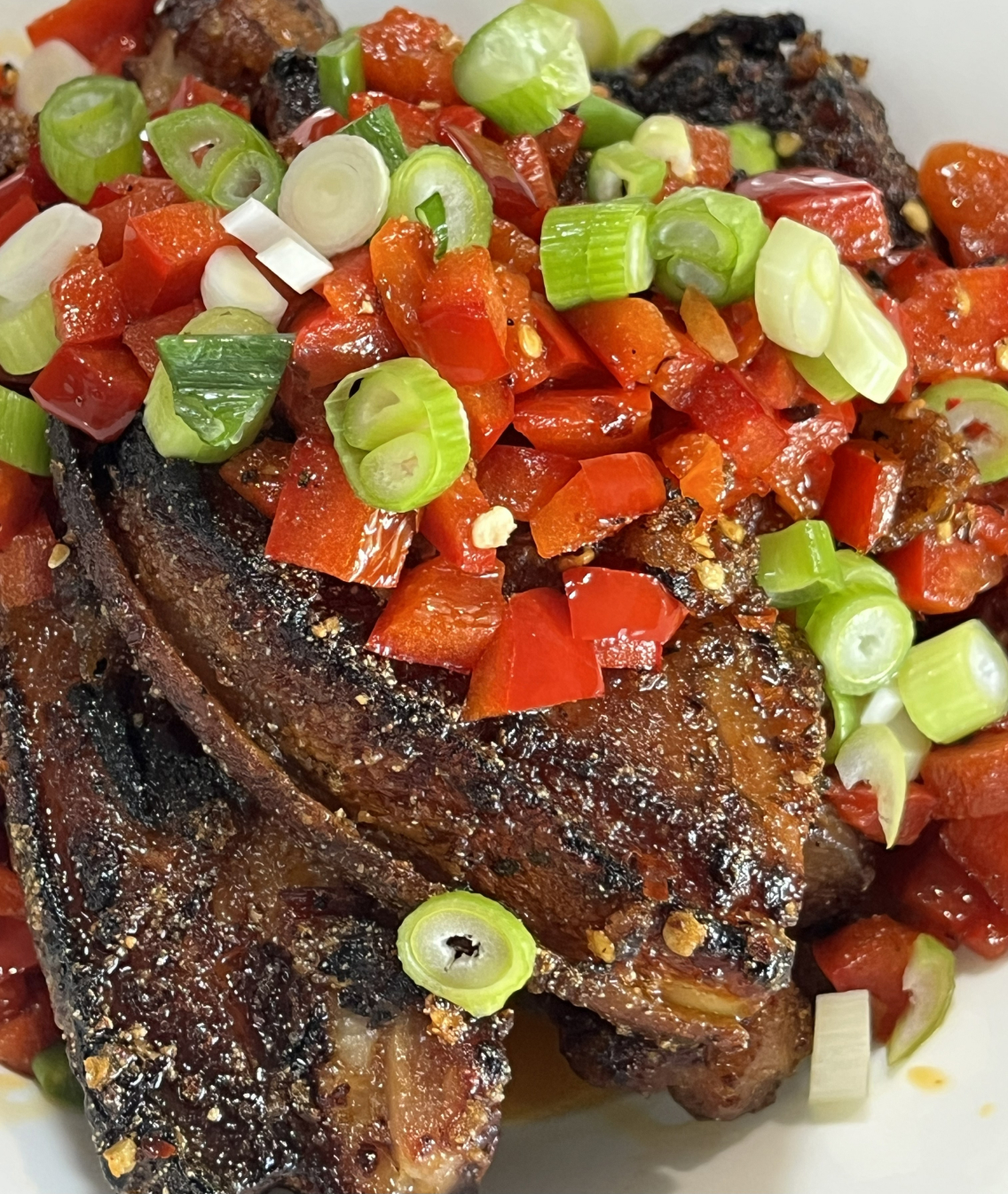
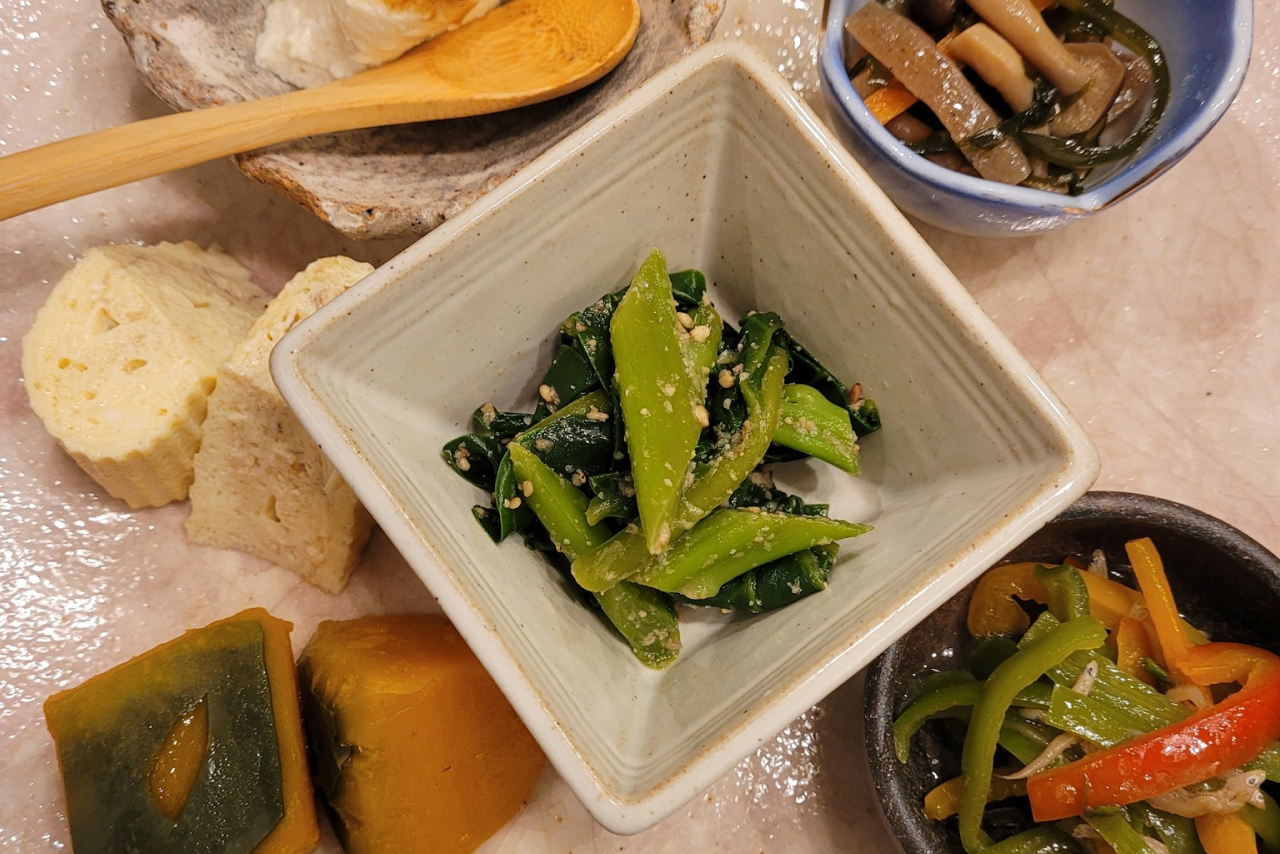
It was extra special to see Charlie’s wife, Yumiko, still going so well — such a gentle, graceful, and remarkable lady. We were treated to a beautiful kaiseki (traditional Japanese multi-course meal), each dish presented like a tiny work of art. It was the perfect way to begin our food journey through Japan.
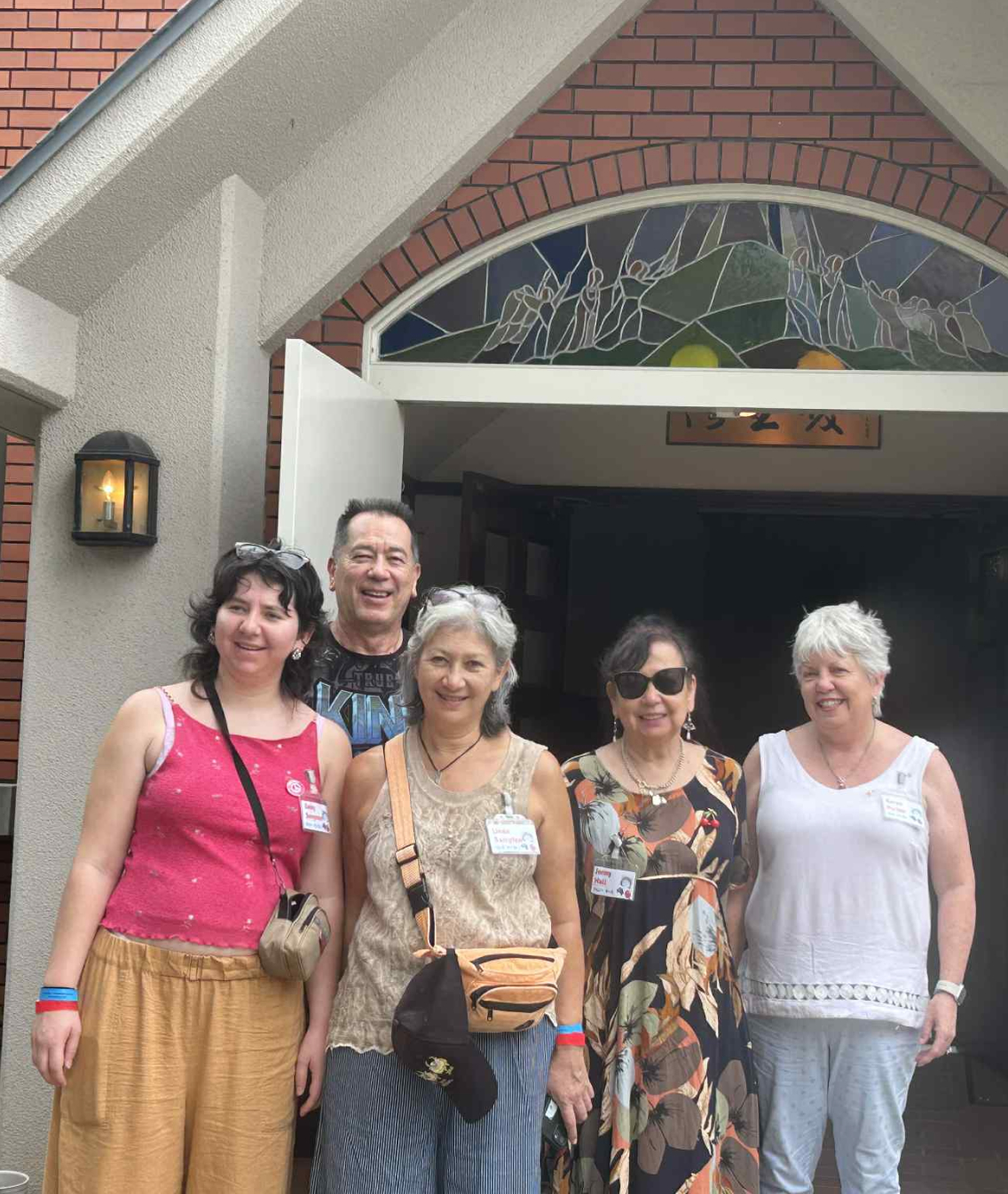
There were stories and laughter, old photos passed around, updates on family, thoughtful gifts exchanged, and of course, the obligatory group photo. A truly magical night filled with warmth, connection, and a deep sense of gratitude.❤️
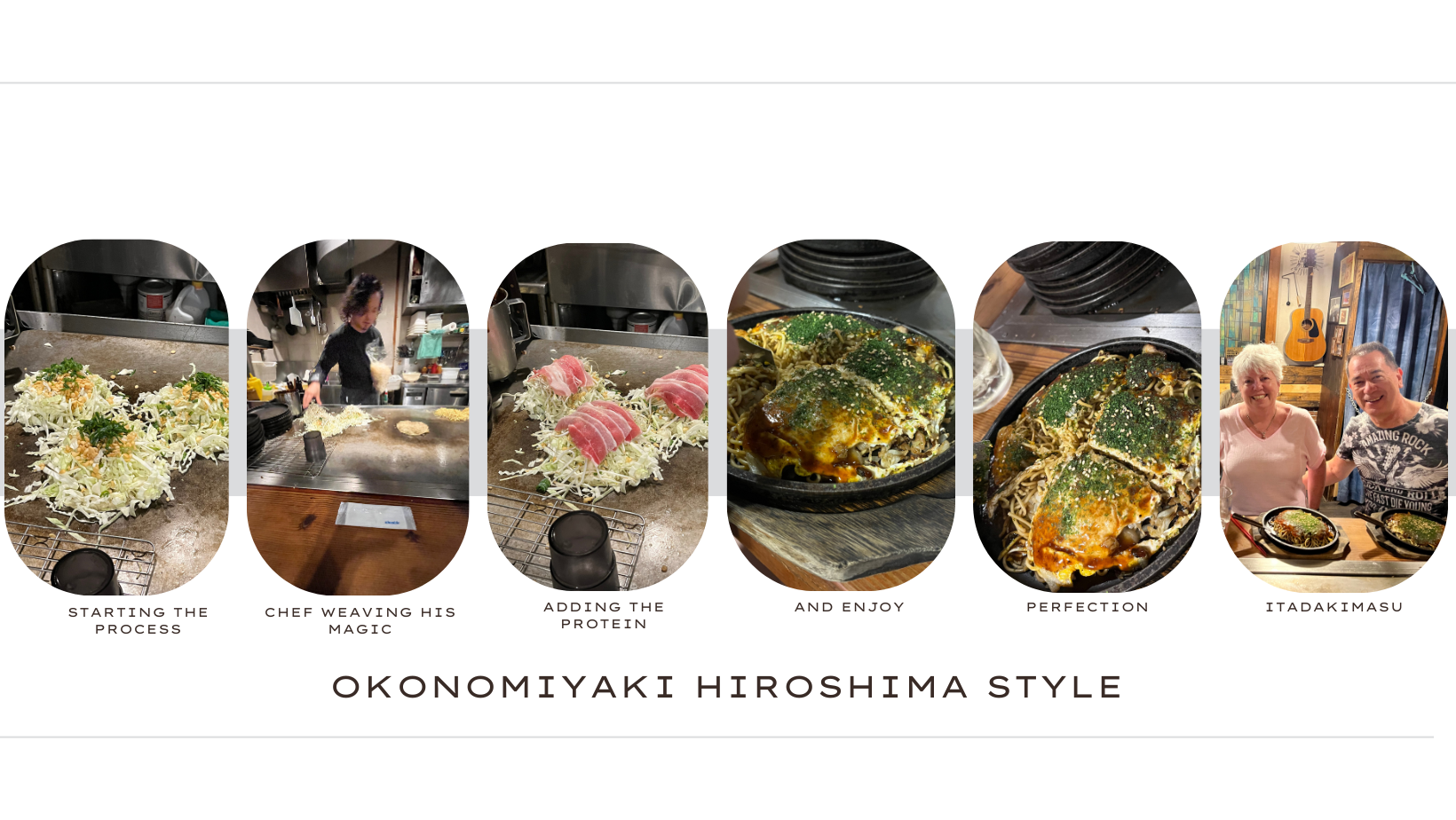
This was one of those nights that was just pure fun! We sat front and centre at the teppanyaki grill, watching every move as the chef cooked right in front of us — we didn’t miss a thing. The star of the night was Hiroshima’s famous Okonomiyaki, and seeing it made from scratch was amazing.
It’s such a different experience to Mum’s Aussie-grown version — the one we all still make and love — but that’s what made it so special. This dish is unique to the Hiroshima area, so we’d marked it as a must-do, and we’re so glad Linda found this perfect spot. Momiji-T has a great reputation, and judging by the line of people waiting to get in, the locals think so too!
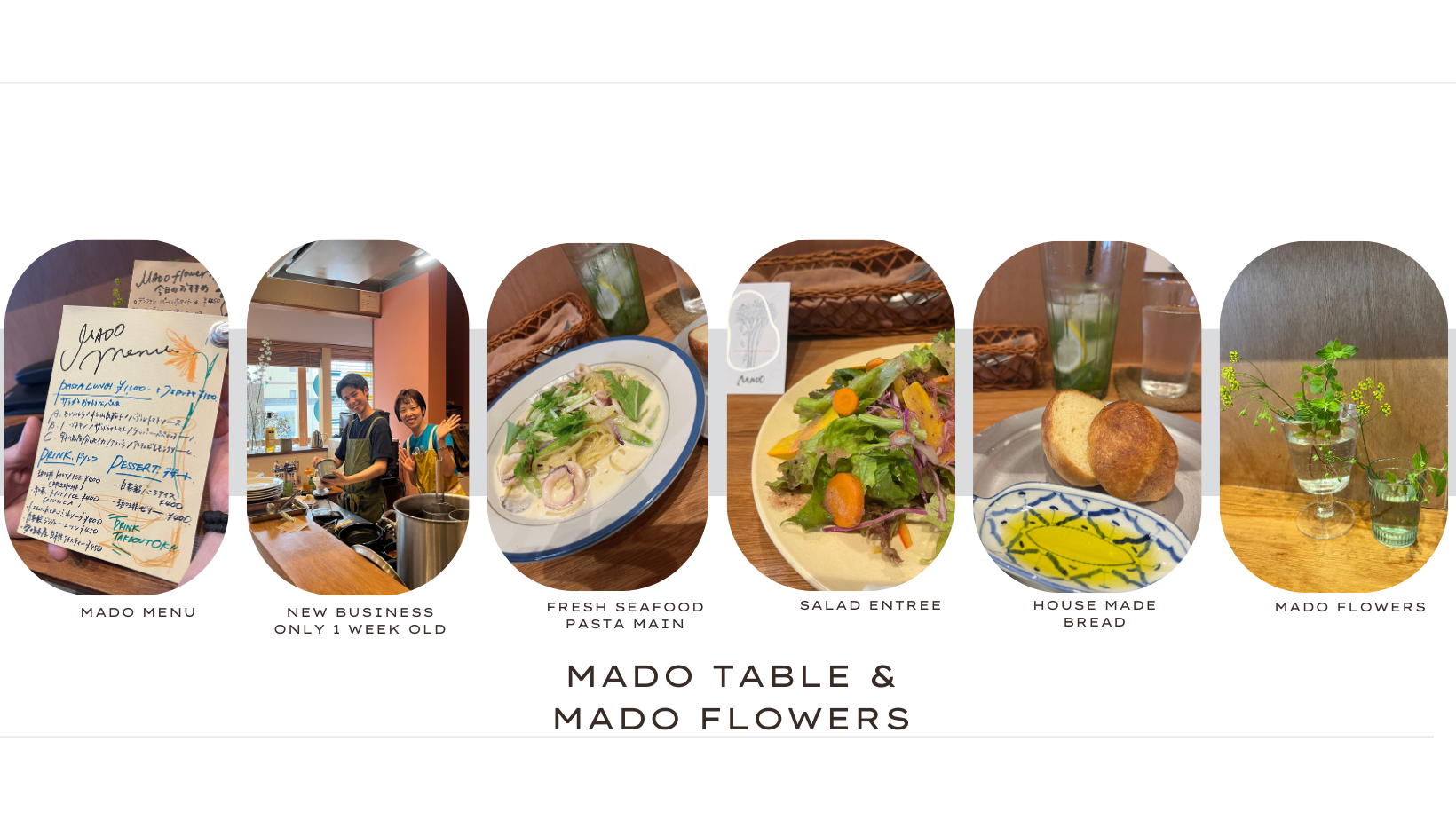
We stumbled across Mado Table and Flowers as we wandered Mitsu, a tiny, charming restaurant run by a young couple who had just moved from Kobe. They’d only been open a week when we arrived, and I’m pretty sure we might have been their first foreign customers! They were just beautiful — warm, welcoming, and so proud of what they were building together.
The space was small and traditional, seating only around 10 to 12 people — which seems to be the norm for many local eateries in Japan. What made this place extra special was how the wife also ran a florist from the same shop. At the front of the shop, there were fresh blooms and the tables had their own little touches of colour — it felt calm, creative, and unmistakably Japanese.
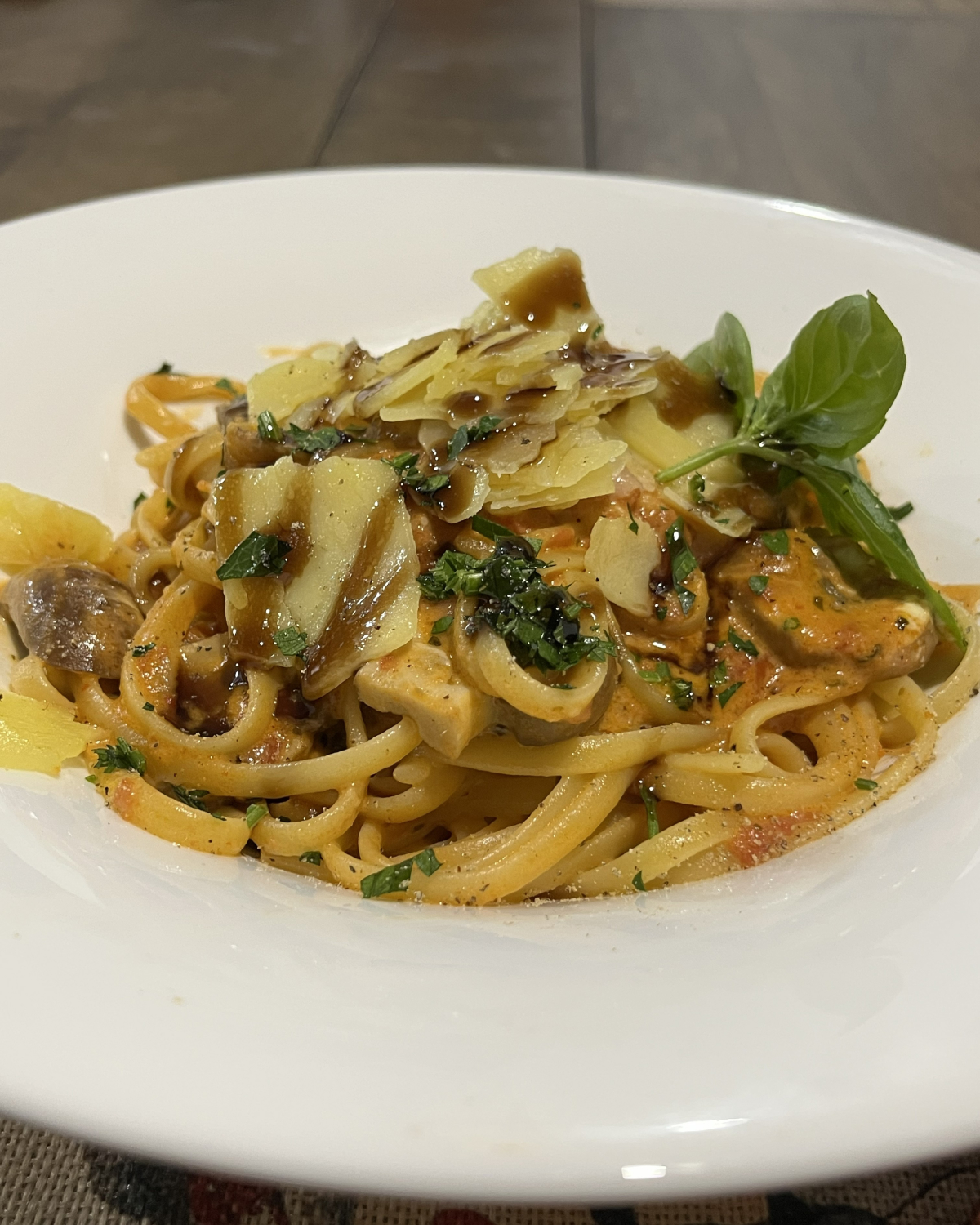
The hand written set menu began with a crisp, fresh salad before moving on to a choice of three pasta sauces served with linguine. We chose the calamari pasta, and it was simple, elegant, and absolutely delicious, partnered with home made focaccia served with olive oil for diping. This is the kind of meal that lingers in your memory long after.
Lunch, including drinks, came to about $17 per person — amazing value for such quality and care. Eating here felt like being let in on a local secret — no fuss, no hype, just honest food made with heart.
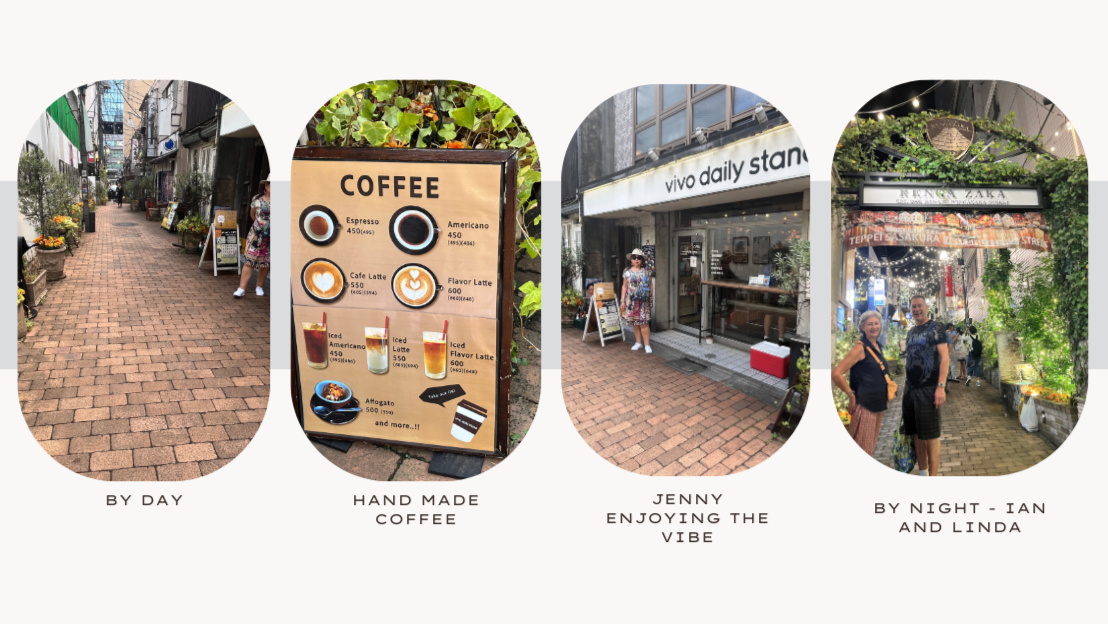
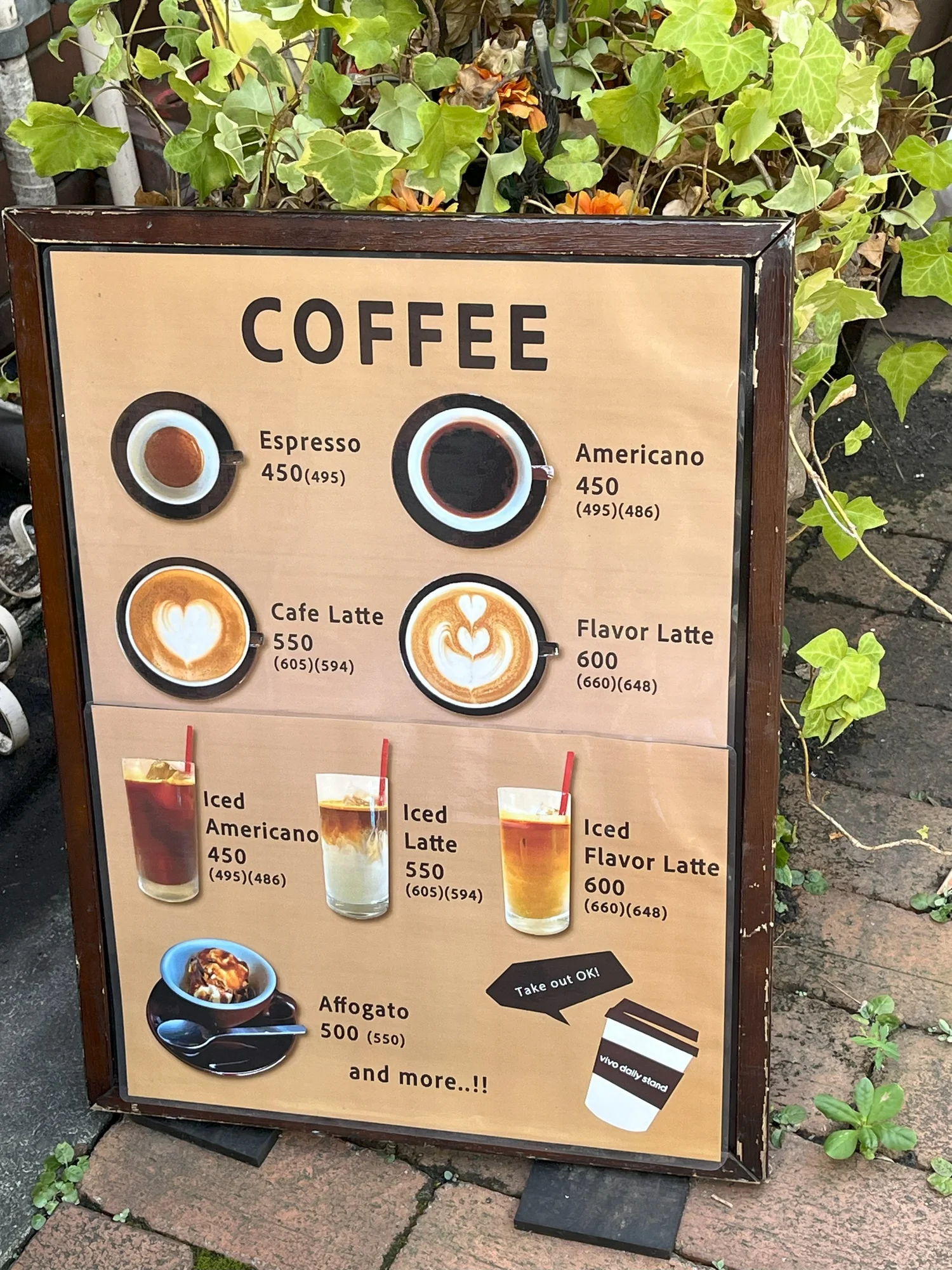
We stumbled upon this little lane in Nakano near where we were staying - Rengazaka Street, and instantly fell in love. Cozy cafés, old-school bars, and traditional restaurants line the street, and the glow from street lamps and fairy lights gives it a quiet, magical energy. We stopped for morning tea—an amazing coffee (yes, real coffee - hand made) and a perfectly delicate peach tart - and for a moment, Tokyo felt far away. It’s one of those hidden spots where the city slows down, and you can just breathe, soak it in, and feel its timeless heart.
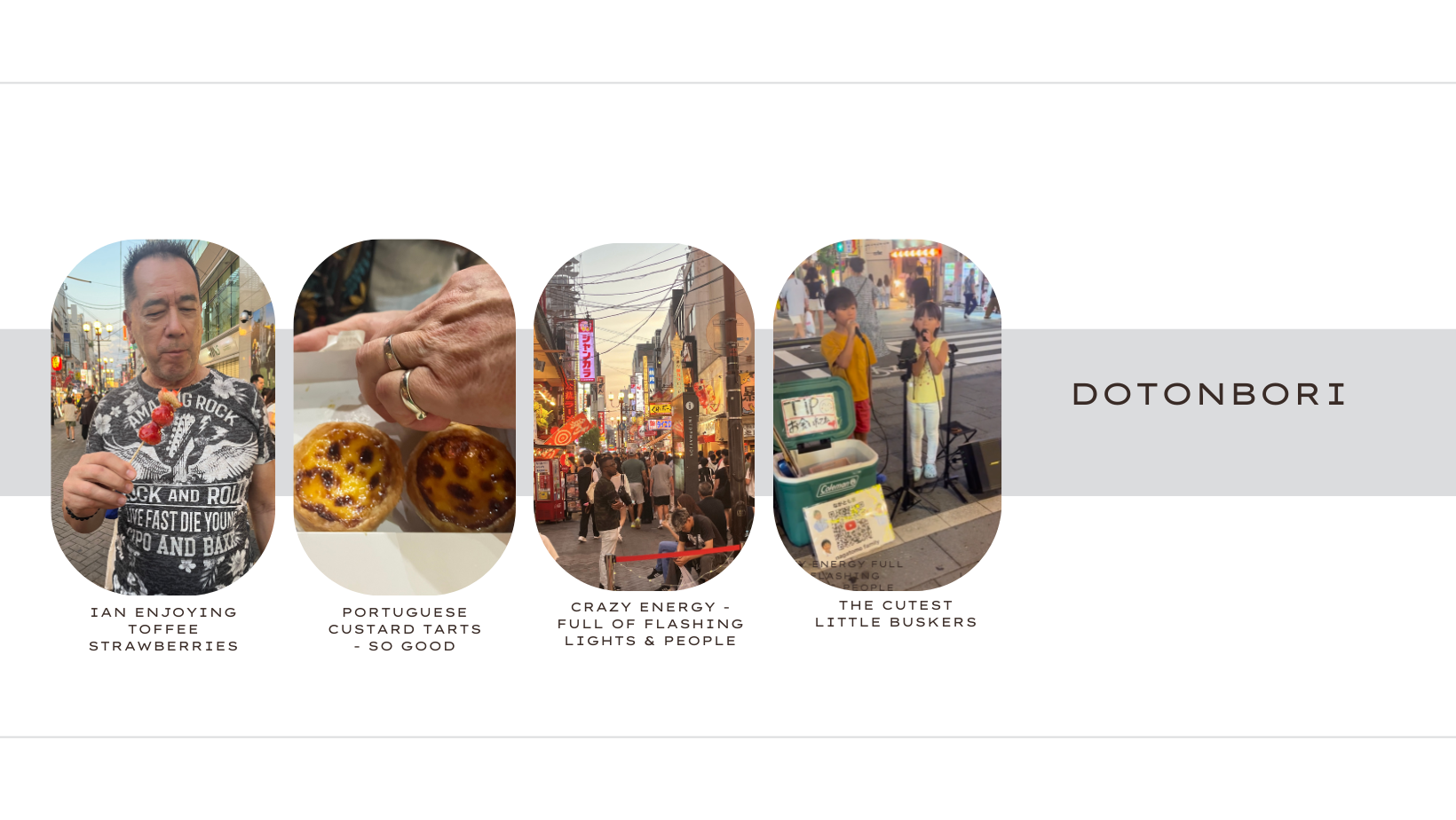
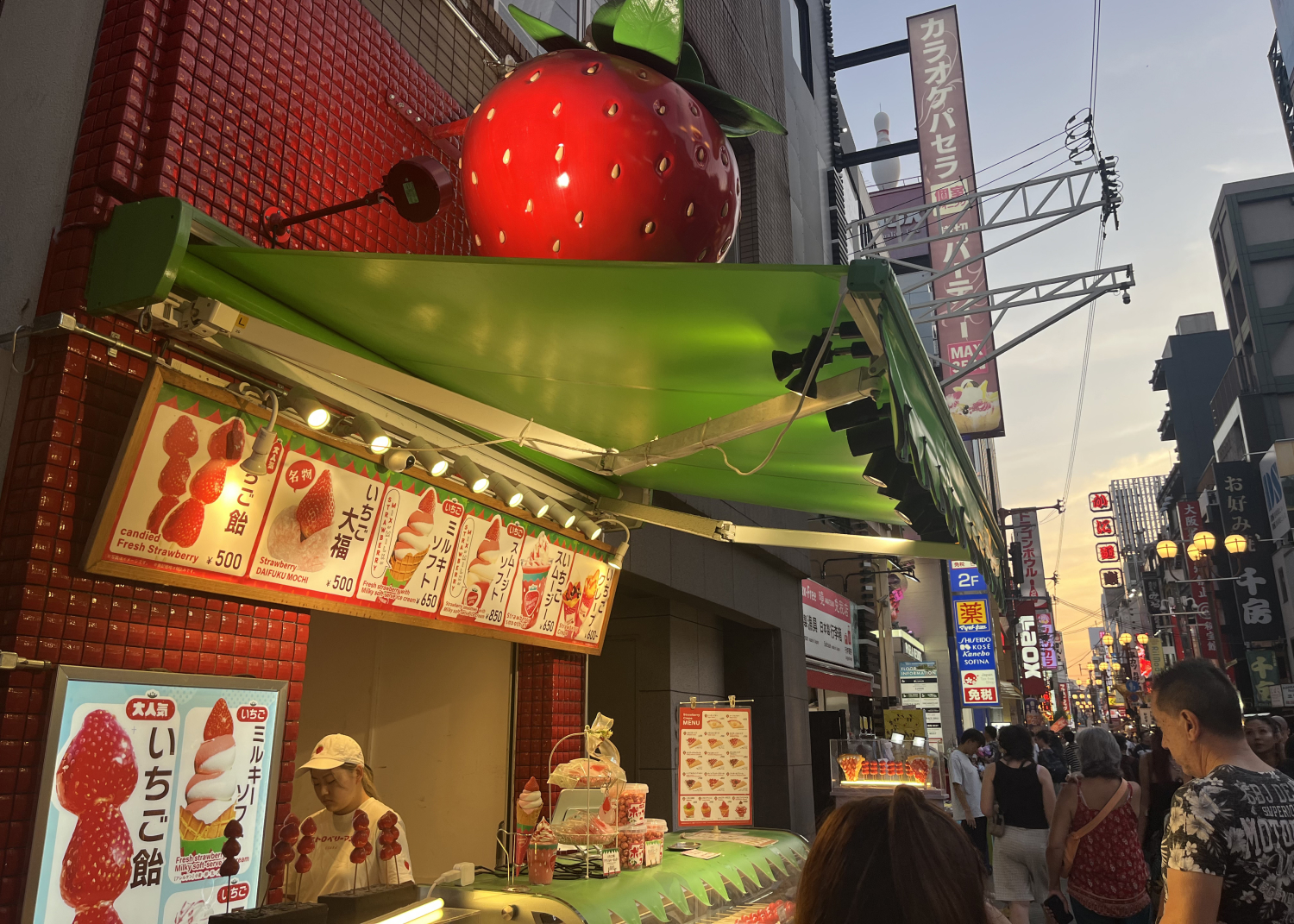
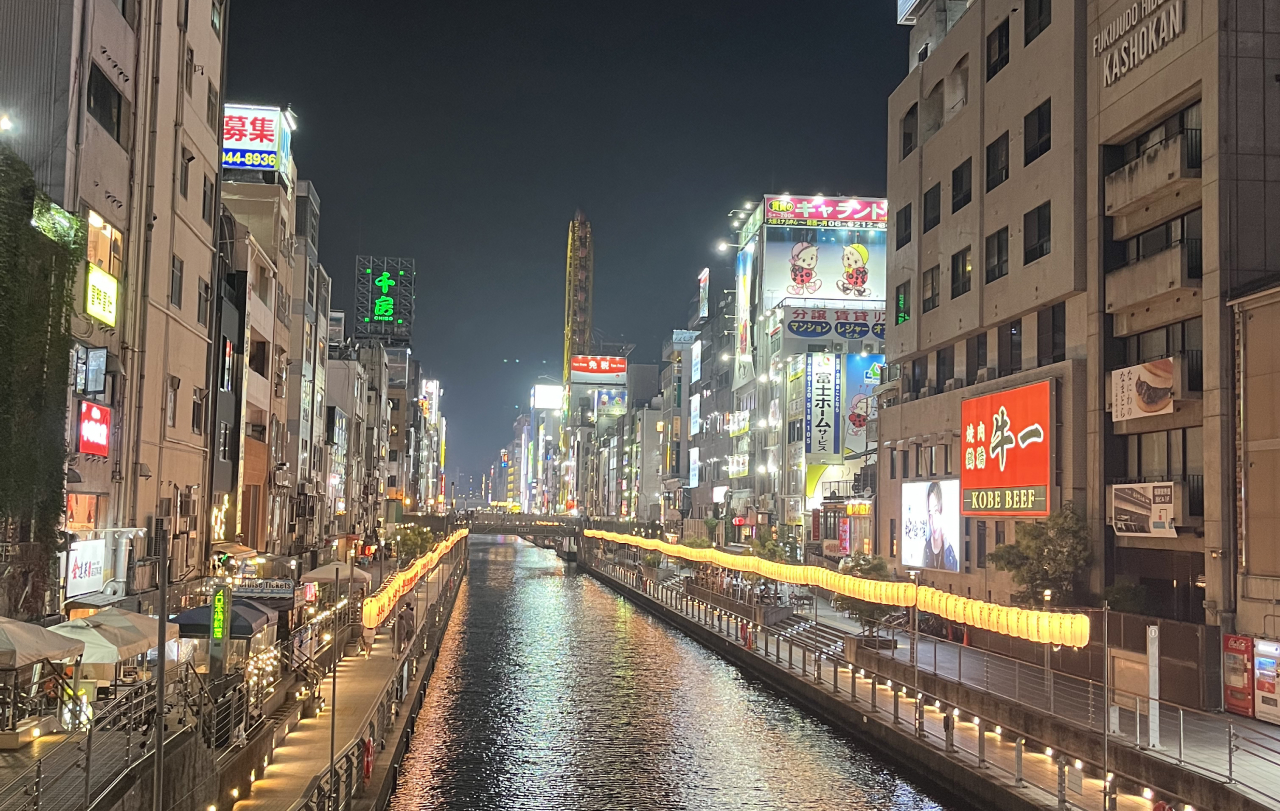
Walking down Dotonbori is like stepping into a real-life Blade Runner scene — flashing neon lights, throngs of tourists, endless shops, restaurants, bars, and everything in between. The buzz is electric! We started out wide-eyed and amazed, like kids at a birthday party, not knowing where to look next. By the time we exhausted everything to offer, we were ready for a little nap — LOL.
The street is alive with buskers, and we couldn’t get enough. Two of the cutest kids were performing, a young man showed off some amazing tap dancing, and there were incredible feats with ball skills. One highlight was a young performer singing “Sukiyaki”, the song Mum used to sing to us — beautifully done and such a special connection to our past.
Food and treats were impossible to resist. The strawberry shop blew us away — everything you can imagine made with strawberries, all fresh and vibrant. And yes, we had to try a Portuguese tart — absolutely worth it!
Then there were the big things — the advertising signs came in every size, with plenty of super-sized creations that made the whole street feel larger than life. Dotonbori is a feast for the senses, full of colour, sound, and energy that’s impossible to forget.
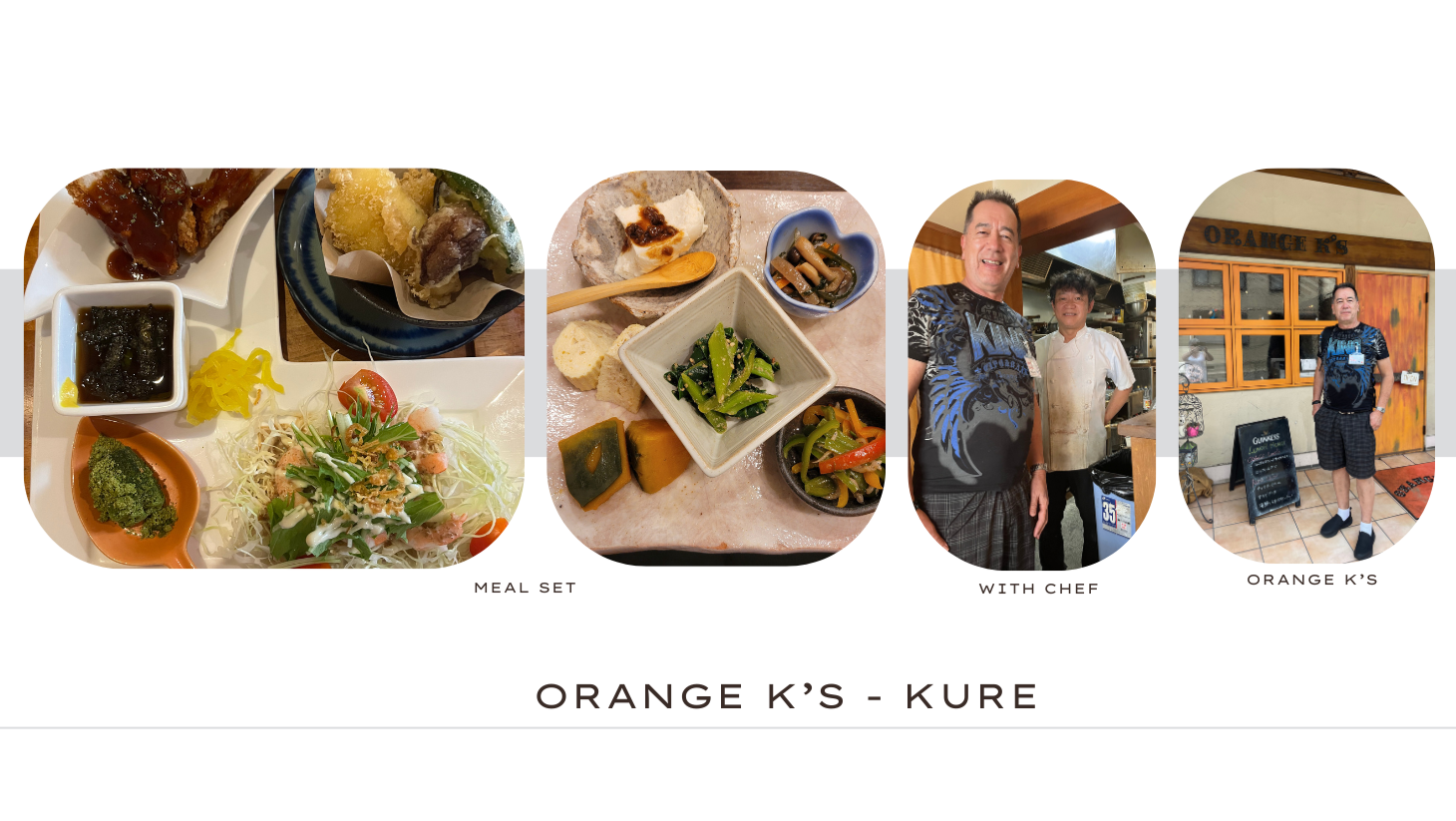
Part of our Kure family day was a visit to Orange K’s, a restaurant chosen by Akira and Hiroe as their local favourite. We were also joined by some of the business owners who had helped fundraise for the Koi-Niji Bench, which added a lovely sense of community to the lunch.
The restaurant served a set menu fit for a king, and once again, we couldn’t quite eat everything presented — each dish was so generous and beautifully prepared. At only $20 per person, it was such a pleasant surprise, especially given the quality and care in every bite.
What we loved most about dining here was the small portions of several different dishes. It’s a perfect way to explore a range of flavours, taste the freshest local produce, and really savour each creation. I even got a chance to chat with the chef and his wife, and it was clear how excited they were to have us join them. Their warmth and pride in their cooking made the meal feel even more special.
This wasn’t just lunch — it was a window into the local Kure dining scene, full of generosity, flavour, and community spirit. A meal we’ll remember for years to come..
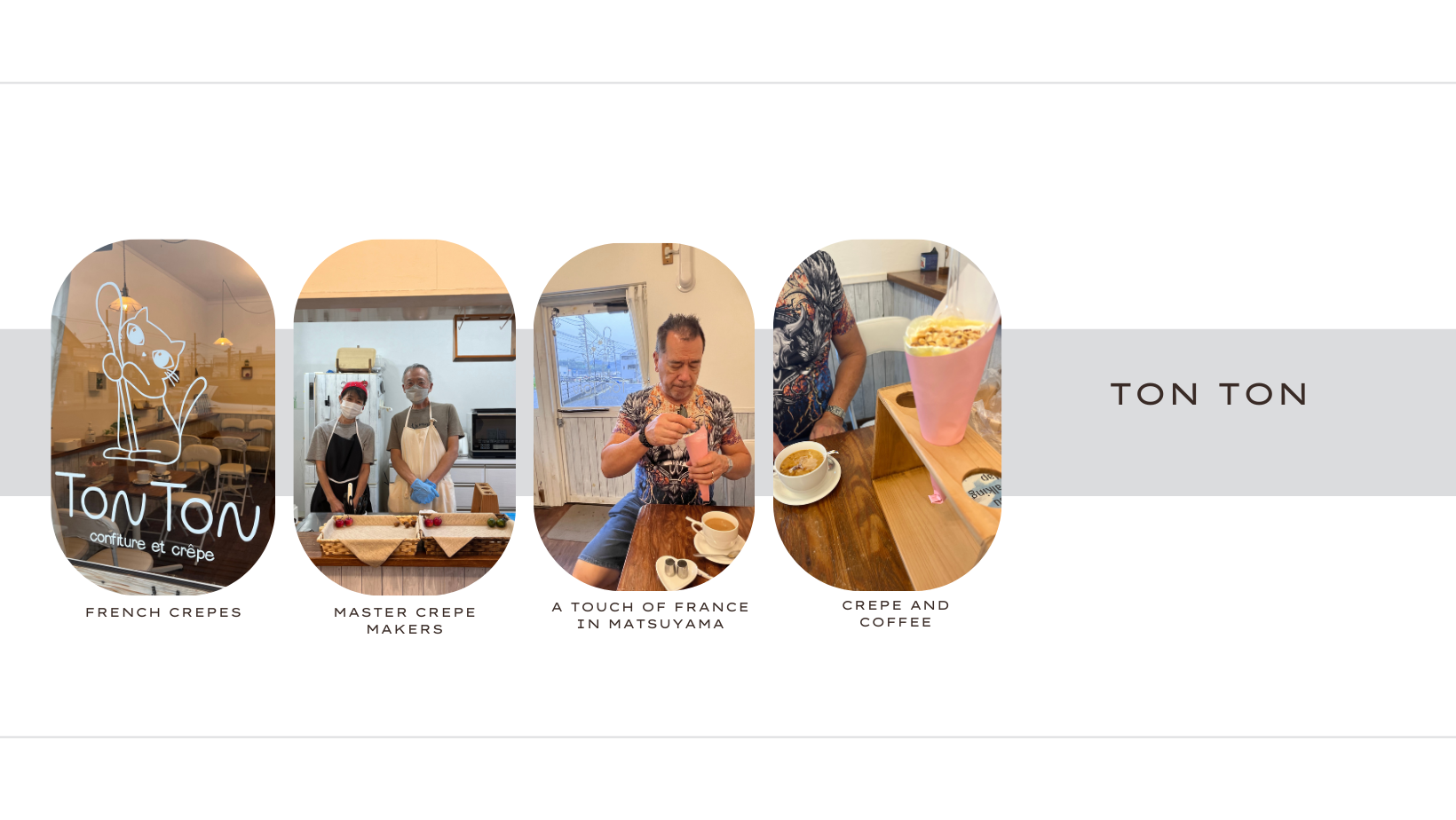
As we were wrapping up a fun day in Mitsuhama and heading back to the train station, we spotted a cute little crepe shop tucked along the street. Another brand-new business, it’s part of a passionate effort by the local community to breathe life back into this once-bustling fishing village.
What a treat! The crepe we ordered was the size of a pizza tray, yet somehow light, thin, and delicate — the thinnest I’ve ever seen. Watching it being made was like witnessing a true craftsman at work. All wrapped into a cone shape and topped again with absolute finesse. And the coffee? Finally, coffee — served French-style, rich and smooth and served with fresh cream - it really did feel like we were enjoying a Parisian treat, right here in Mitsuhama.
The shop’s sign was adorable and a little tricky to understand — not unusual when English is used in Japan. The exact quote reads:
"The signboard is French, but the shopkeeper is not French. The shop name is 'ton ton', a little child says neighbourhood uncle as 'ton ton'. In the shop the friendly shopkeeper is making homemade jams and crepes using seasonal fruits. Please take a look at"
The whole experience was a perfect little end to our day — delicious, charming, and completely memorable.
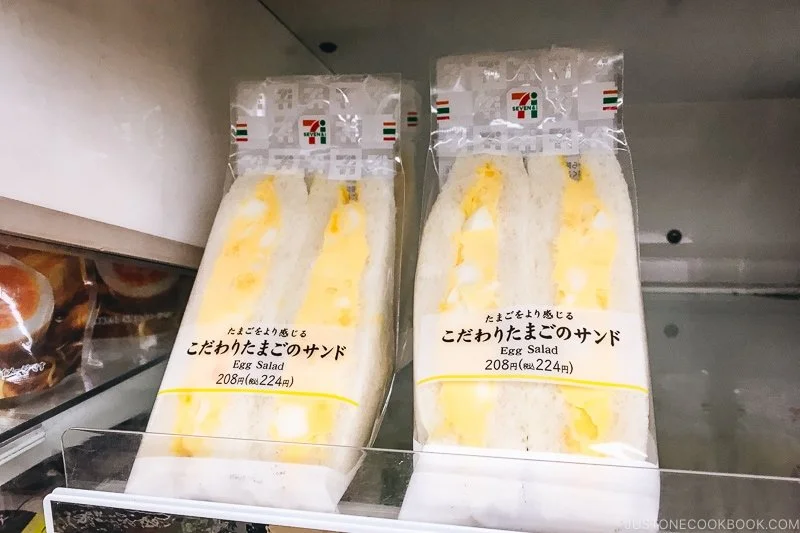
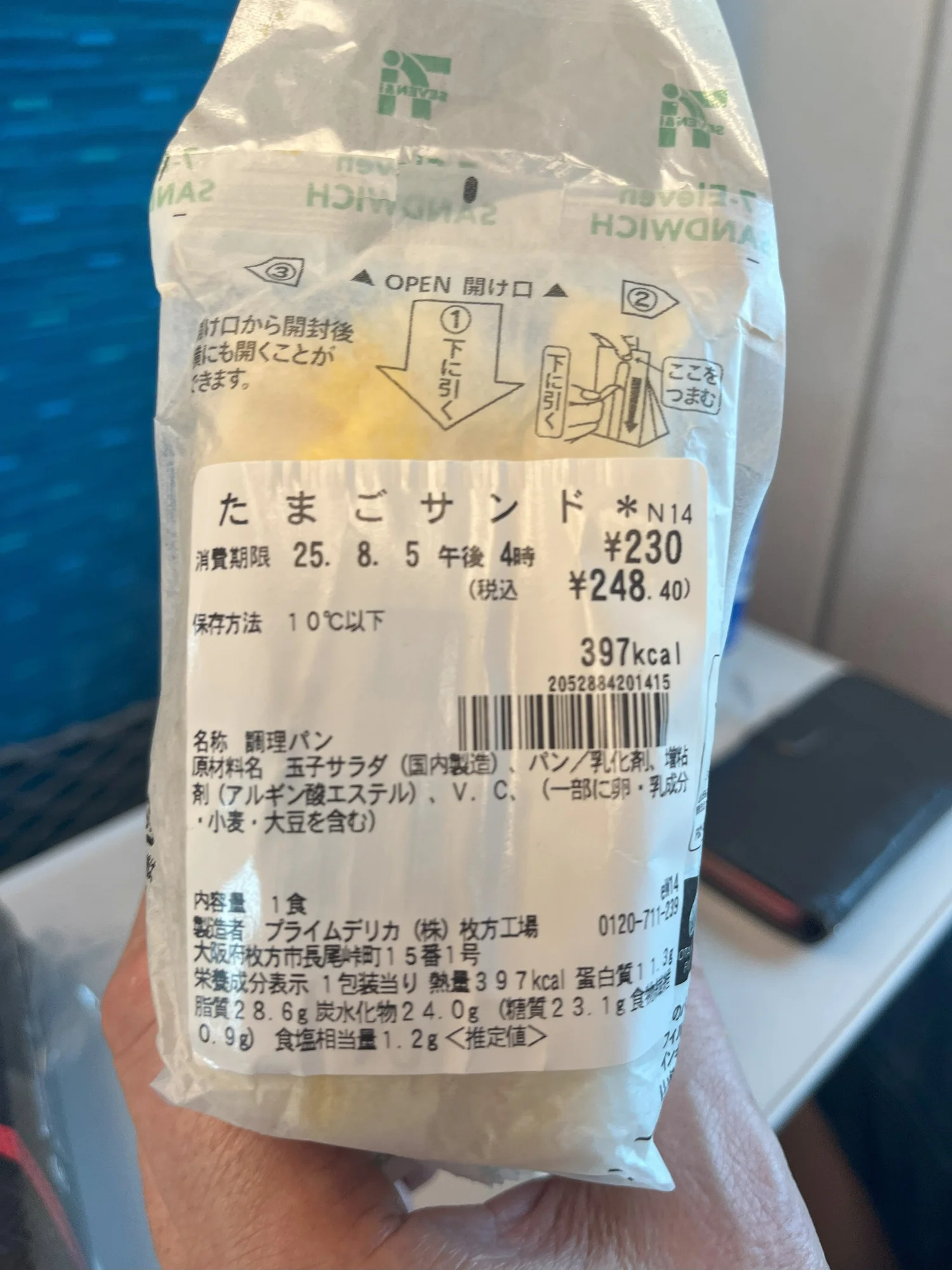
We’d heard the whispers about Japan’s legendary 7-Eleven egg sandwiches — apparently they sell out fast. Our family had given us the heads-up, but I didn’t really take it seriously… I mean, a gourmet egg sandwich? Really?
Well, I take it all back. These sandwiches are a revelation. Thick slices of the freshest, softest bread, stuffed to the brim with creamy, perfectly seasoned egg - every bite is pure comfort and completely addictive. You really have to taste it to believe it. And the best part - only $2.30 each. Can you belive that? Amazing.
Other convenience stores have similar offerings, but honestly, the gold medal goes to 7-Eleven, hands down. 🥪✨ A simple snack? Yes. A life-changing snack? Absolutely…
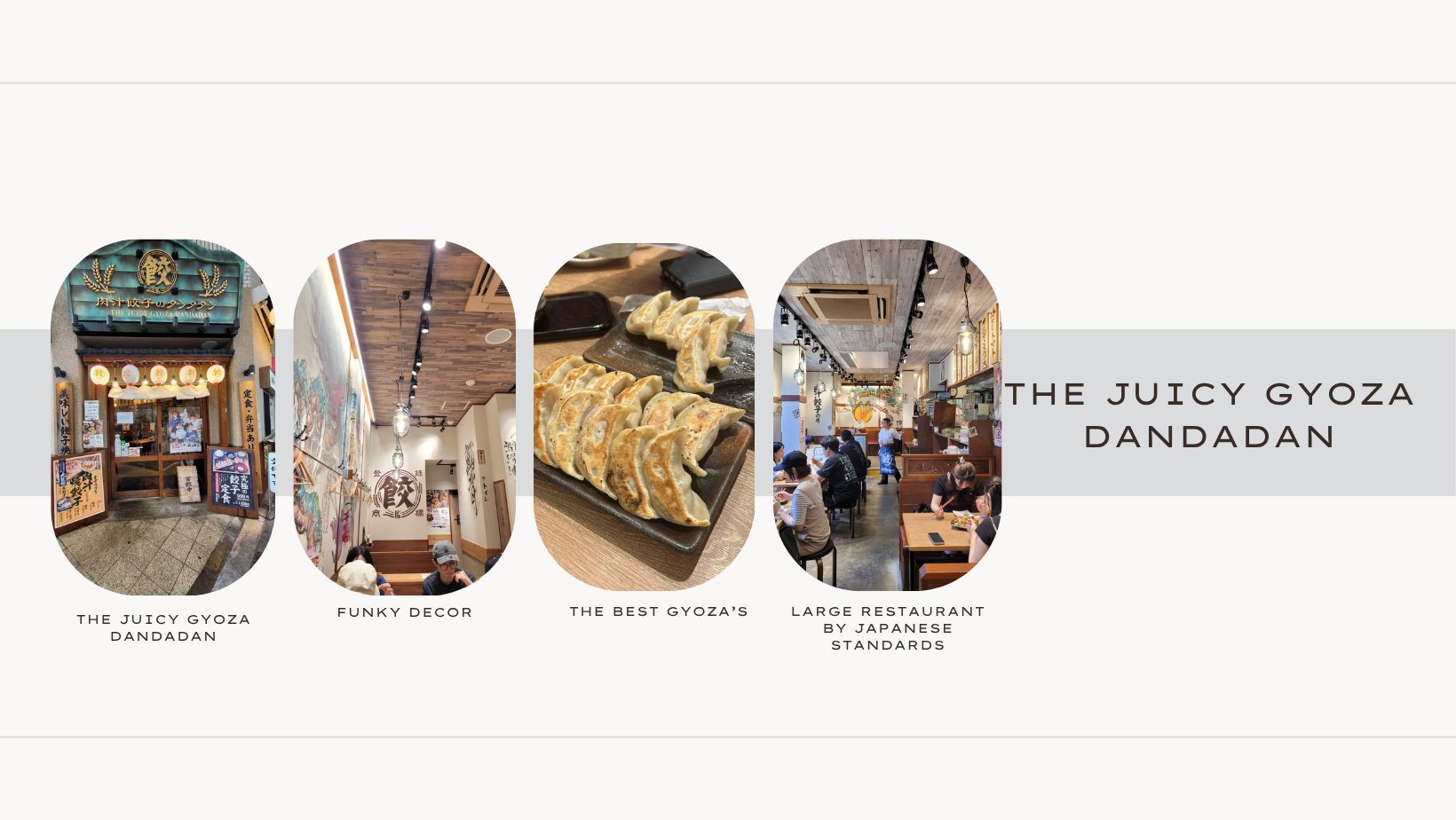
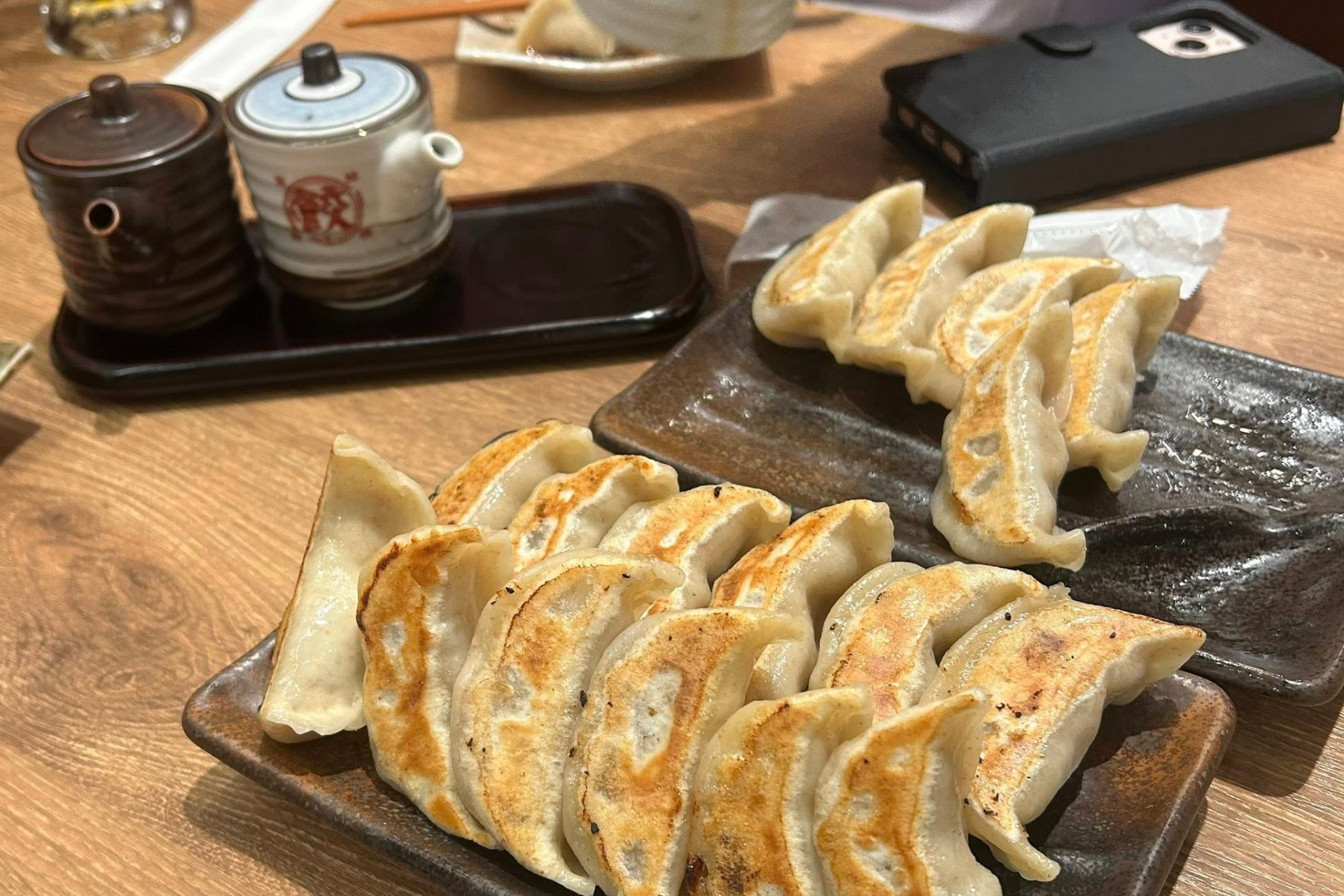
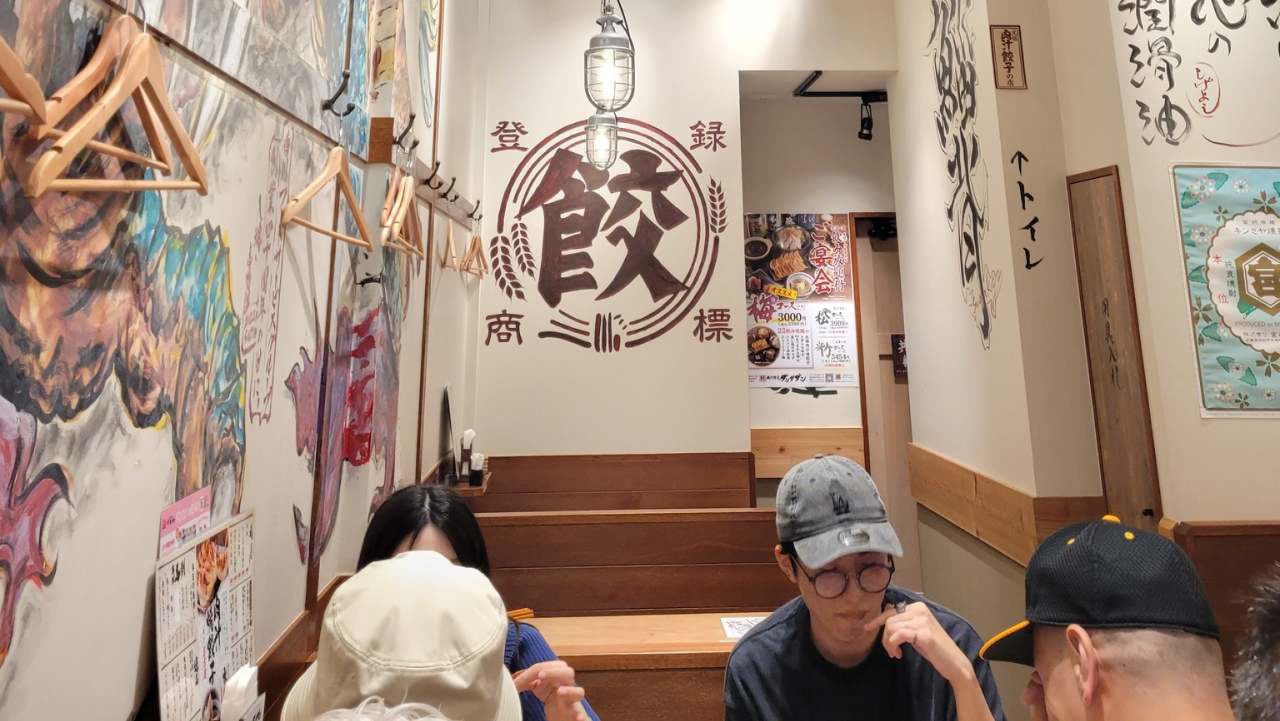
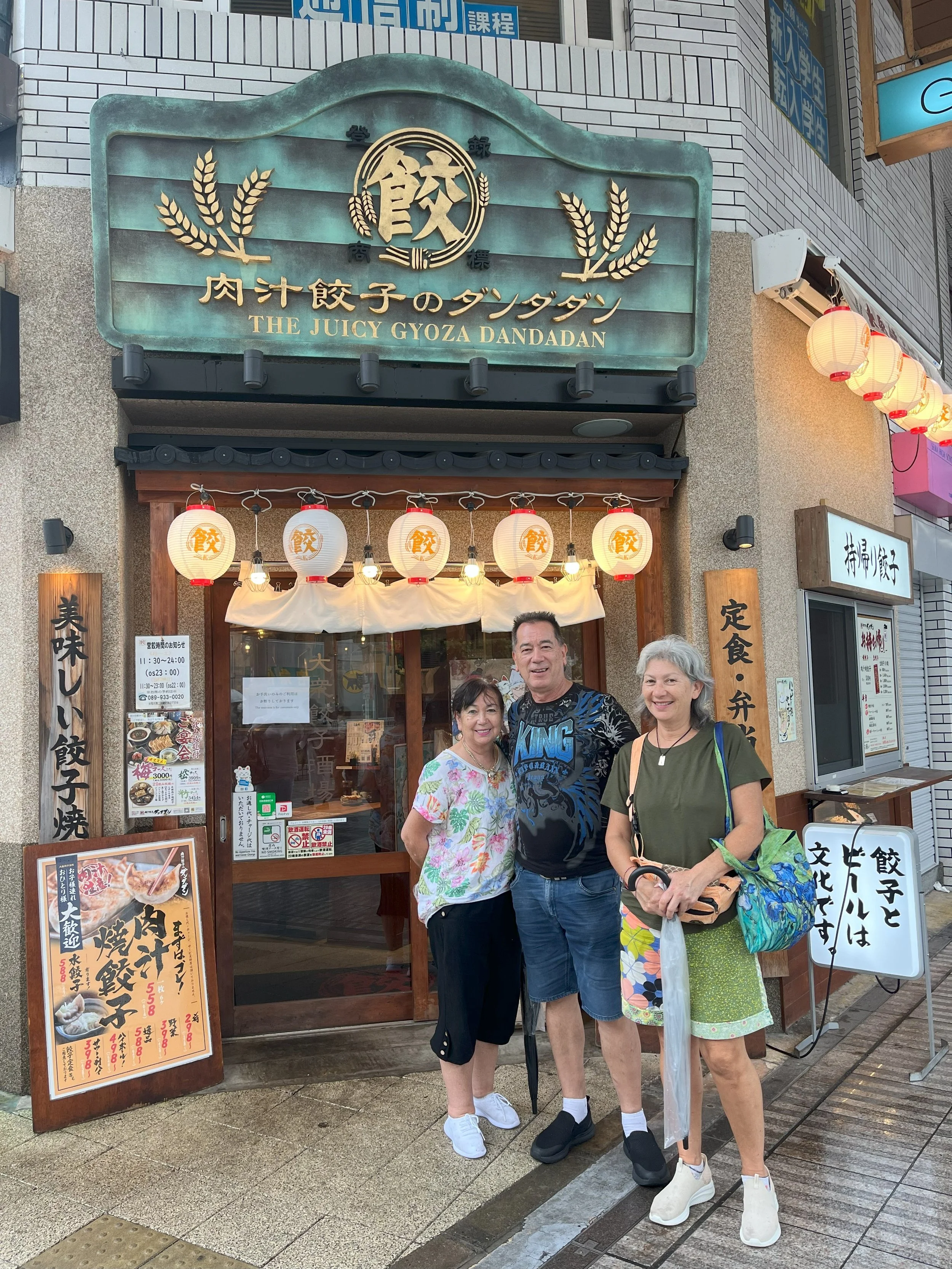
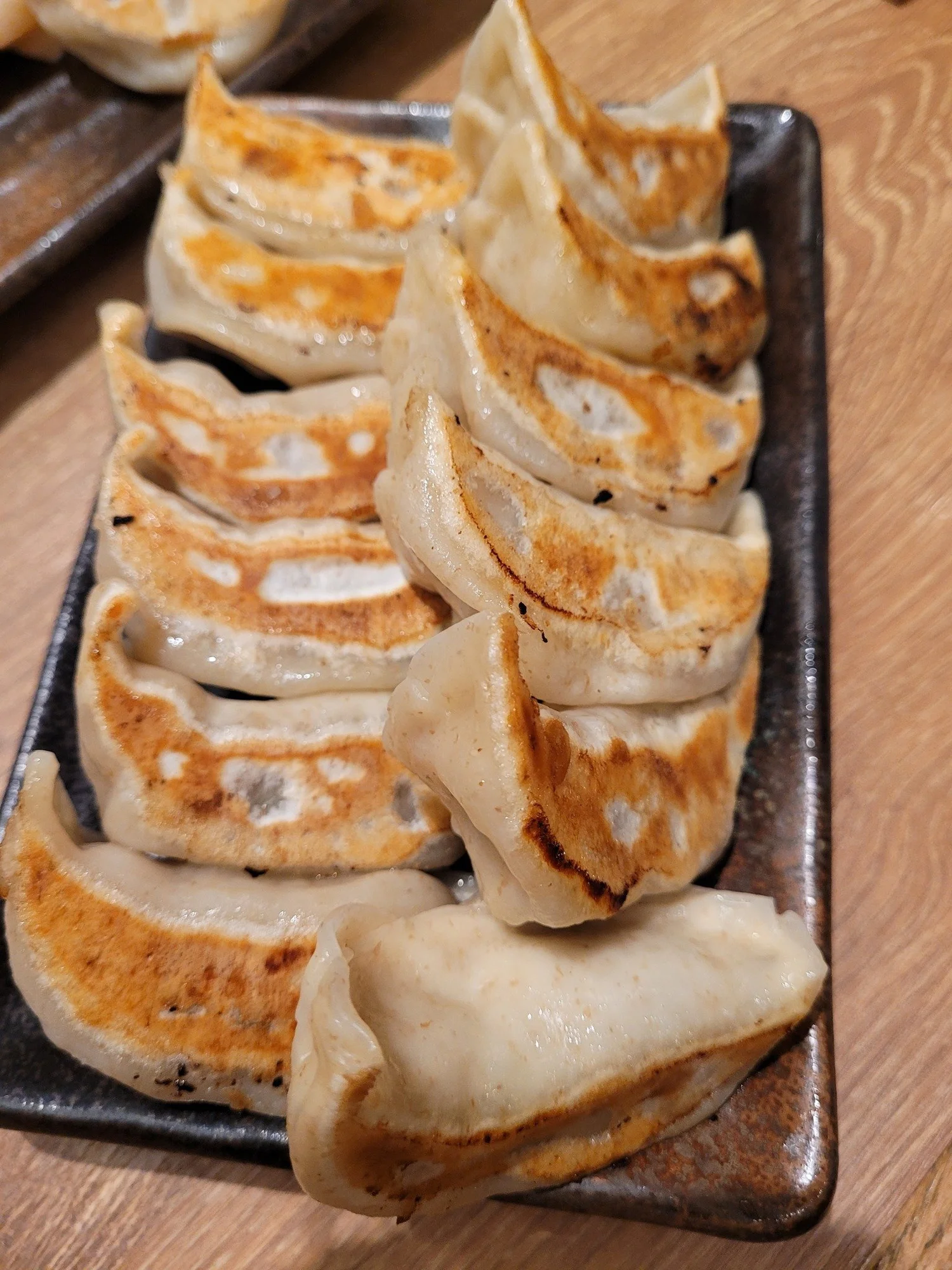
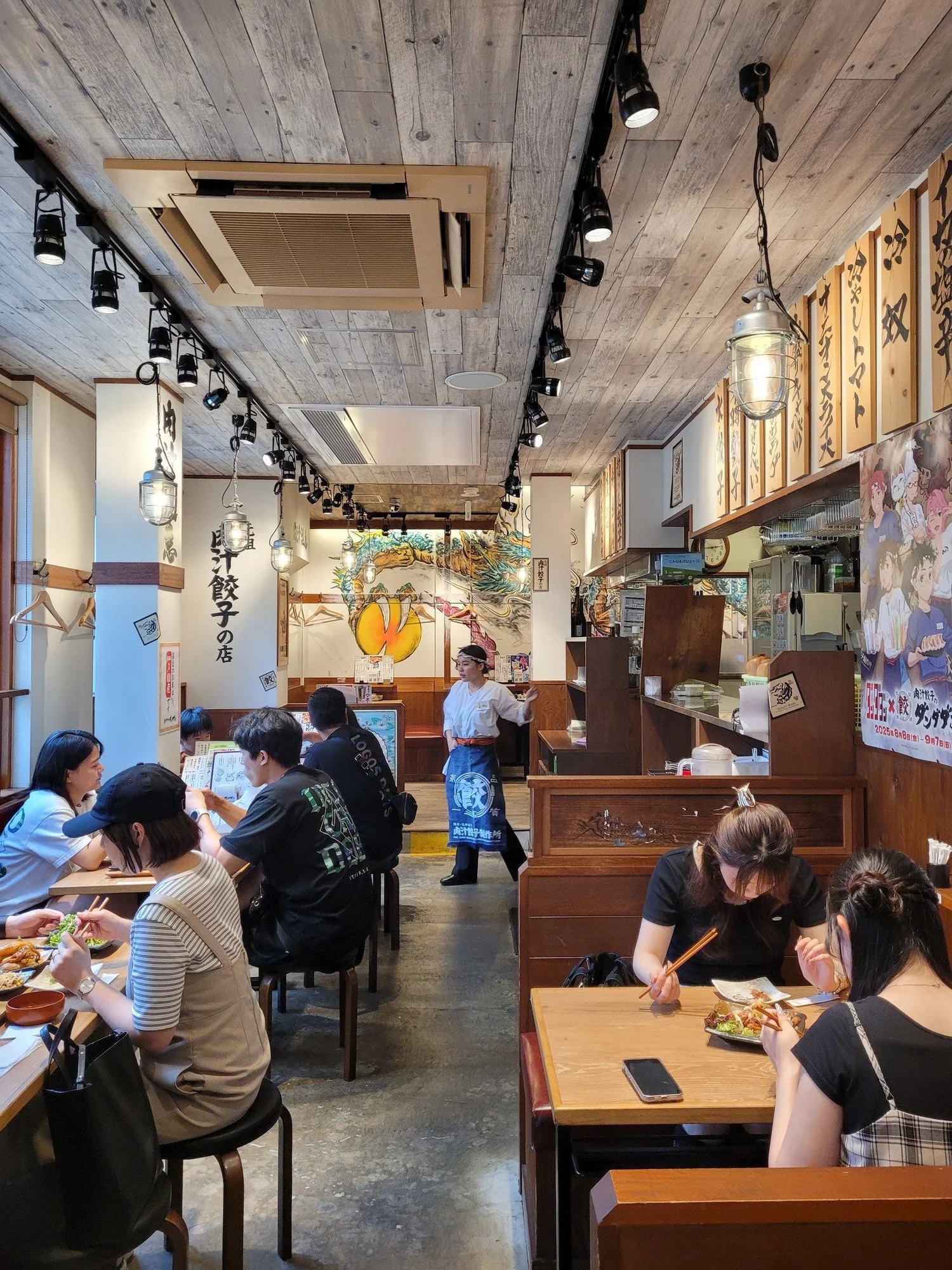
We couldn’t visit Matsuyama without trying the local gyoza — after all, Mum made the best ones, so our expectations were high! Unsure which spot to choose, we were blown away when a lovely guest information lady not only pointed us in the right direction, but actually walked us there, got us settled, and made sure we knew exactly what to order. This wasn’t the first time we experienced such thoughtful, hands-on hospitality — locals here genuinely go out of their way to help, and it was such a heartwarming glimpse into the culture.
The gyoza themselves? As the name promises, they were juicy, perfectly cooked, and full of flavour — everything we hoped for and more. The restaurant had a cool, funky interior, with young, energetic, and attentive staff who made the experience that little bit extra special. Sitting there, tucking into these delicious dumplings, it felt like we were part of something vibrant and local — a tiny slice of Matsuyama life that we’ll remember for a long time.

One of the biggest surprises of our trip to Japan? The convenience stores. Lawson, Family Mart, and 7-Eleven are everywhere—literally on almost every corner—and they’re open 24/7. Far from the late-night servo stops we’re used to in Australia, these shops are a fresh and constant source of all things food and drink.
You can find just about everything inside: alcohol, sunscreen, bottled water (only $1.30 a bottle—still can’t believe it), and of course, food in every shape and size. From the famous fluffy egg sandwiches to perfectly packaged snacks and even full prepared meals, it’s all fresh, delicious, and reasonably priced.
Food in Japan is surprisingly cheap—except fruit—and the bonus? You can even tap your SUICA train card to pay at the checkout. Convenience at its absolute best.
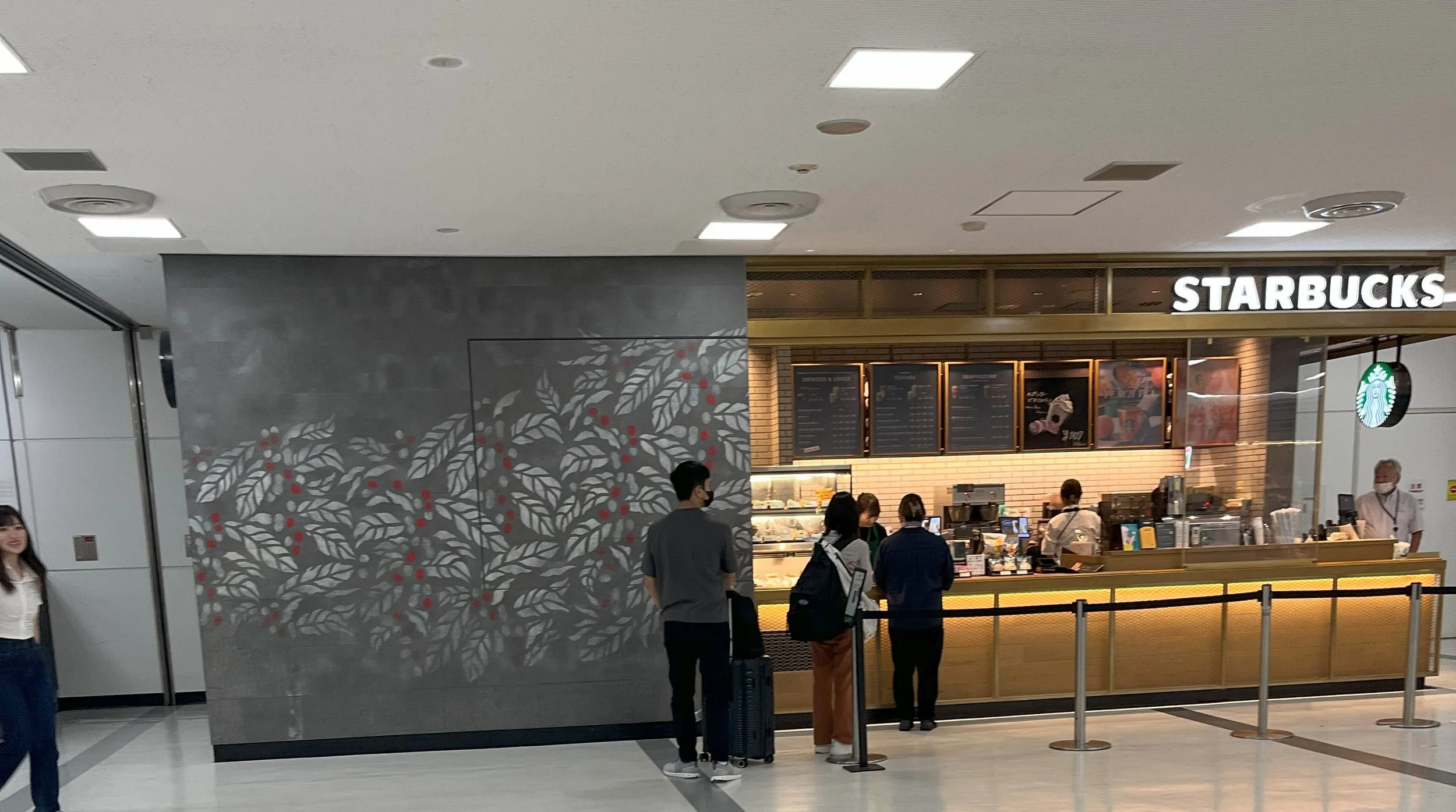
If there was one small negative during our trip, it was the coffee — or rather, our version of coffee. Understandably, Japan is the home of matcha and green tea, so it’s no surprise they don’t have the same coffee culture we do.
Starbucks and similar chains are everywhere, but the coffee tends to come from push-button machines or drip filters, designed more for the American-style palate — mild and a bit watery by our standards. For those chasing that strong morning coffee hit, you might want to give these a miss!
That said, Japan has its own take on what “hand made” means, and it’s fascinating. Given their huge fast-food culture (which is honestly amazing — fresh, fast, beautifully presented), a “hand made” sign means exactly that: someone is physically making it right there on site, not mass-produced in a factory. We even saw a “hand made” sign at KFC!
This applies to coffee, too — so when you spot a café proudly advertising hand made coffee, there’s a very good chance you’re about to get the real deal.
On the upside, the supermarkets sell brilliant little disposable drip-filter coffee packs, and they work an absolute treat. We lived on those for breakfast every morning… and yes, we’re still having withdrawals!
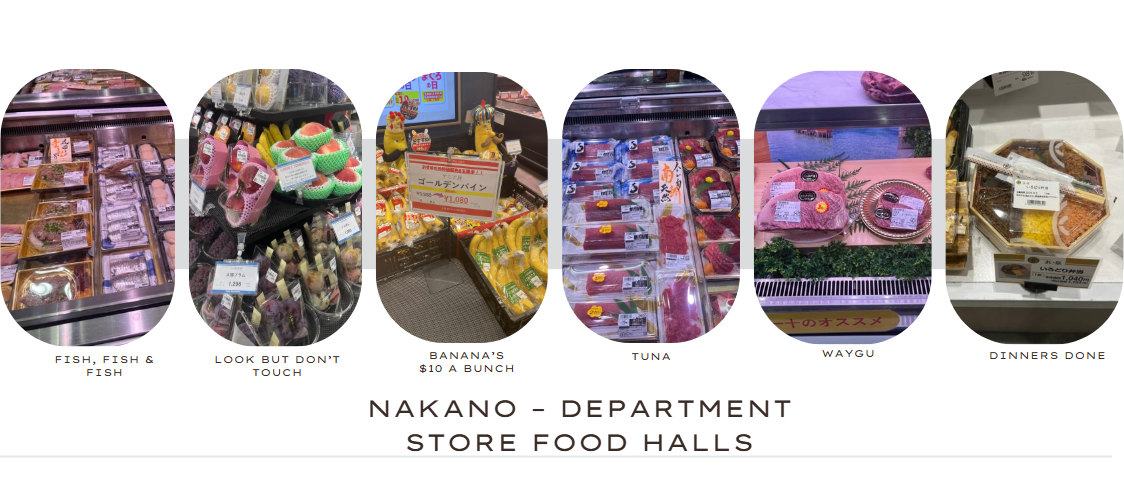
We wandered into the closest department store food hall in Nakano and were immediately blown away. From the street, you could already sense the quality, prestige, and glamour inside. Walking through the doors, we were greeted by bunches of stunning flowers and arrangements, fresh baked goods being packaged for hungry shoppers, beautiful gift packs setting the tone before even reaching the food halls below.
The displays were irresistible. Every corner showcased fresh produce, prepared meals, and gourmet delights, all presented with impeccable care and attention to detail. We took our time absorbing everything, from perfectly polished fruits to delicate pastries and ready-to-eat meals — each item was a miniature work of art.
Prices reflected the high-end nature of the store, so it wasn’t your everyday supermarket shopping exerience — but that didn’t matter. The fruit, in particular, was extraordinary: a single grape the size of a small lemon, and a white peach for $10 that was nearly the size of a rockmelon. Delicious, perfectly ripe, and beautifully presented — every piece at its absolute peak.
It was a feast for the senses, a chance to see the Japanese obsession with perfection and presentation in action. Even if you could only afford to look, it was an unbelievable experience.
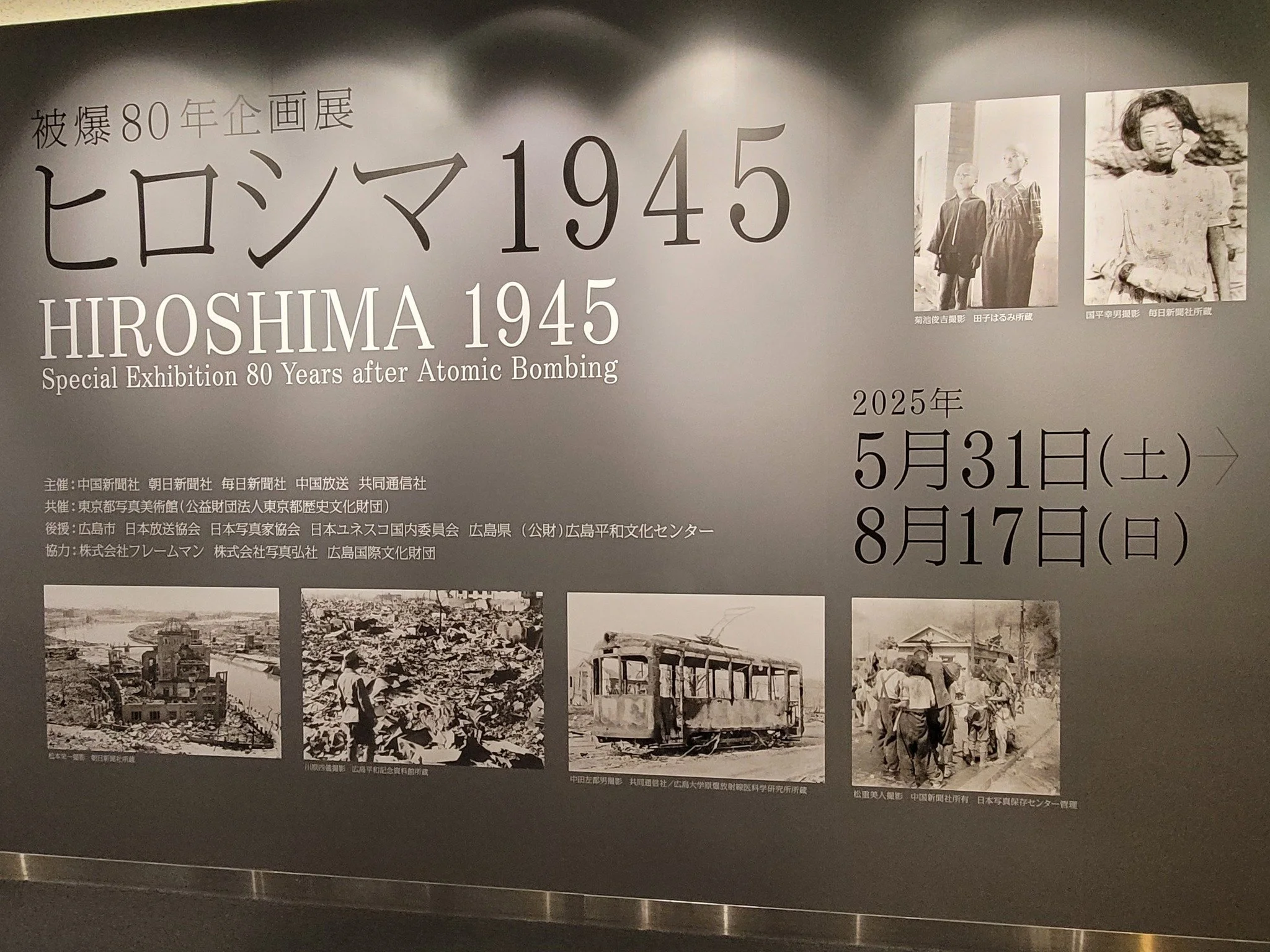
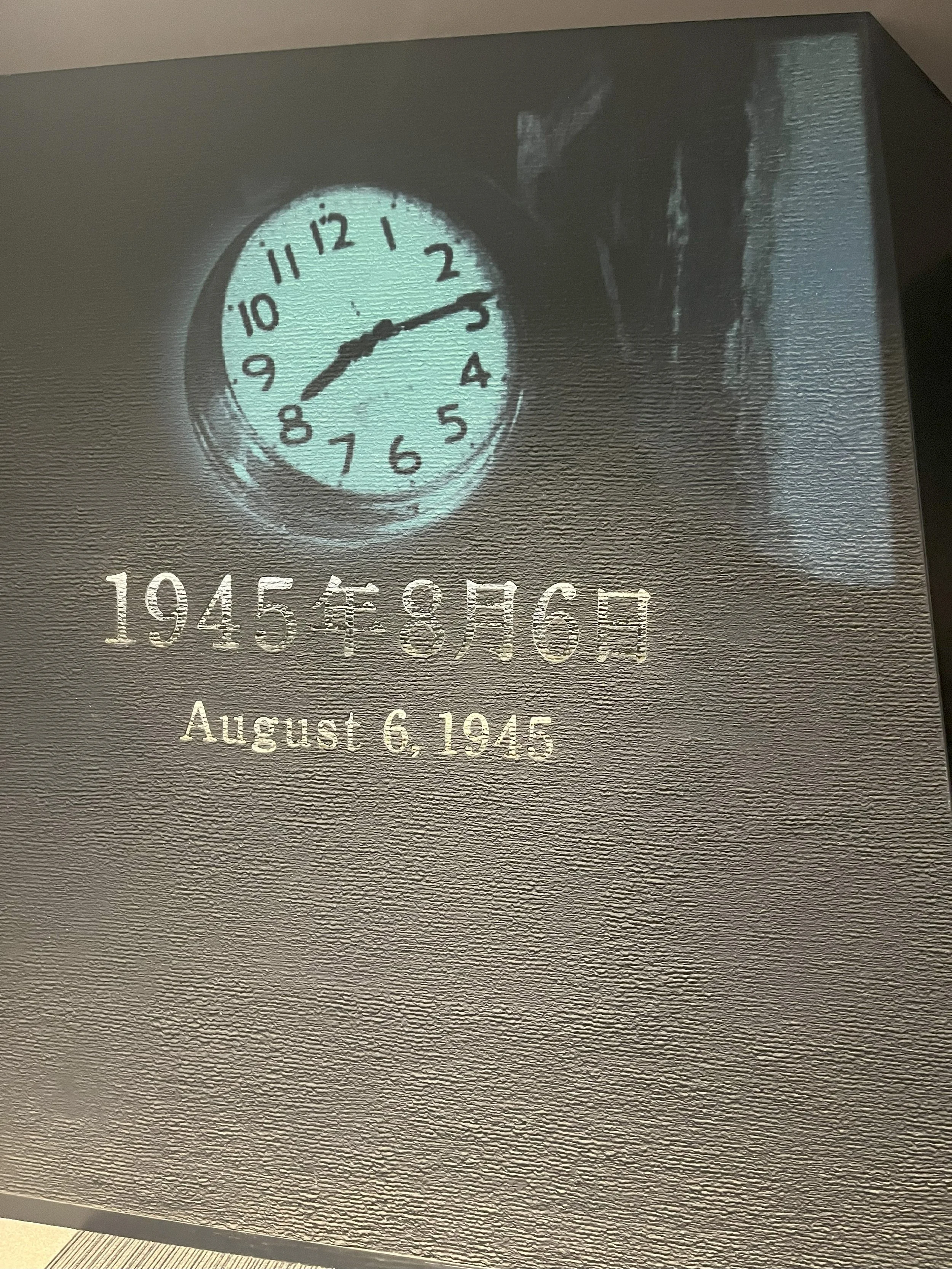
There’s a stillness to the Peace Memorial Park that words can barely capture.
Even with hundreds of people walking its paths, it feels hushed — as though the air itself carries the weight of memory and the whisper of hope.
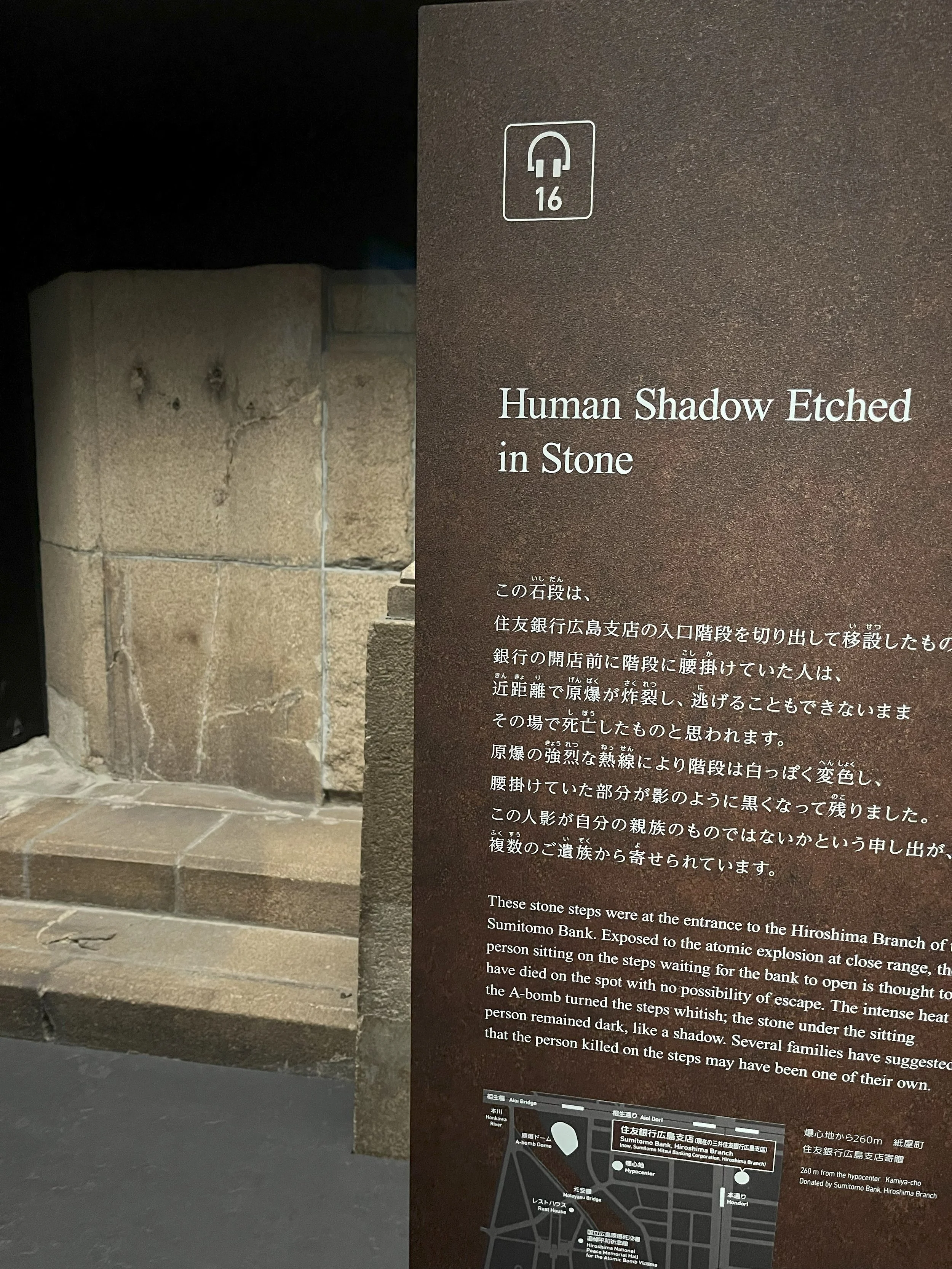
The A-Bomb Dome stands quietly at the centre of it all — skeletal yet dignified — the last building left standing near the hypocentre. Seeing it in person was sobering. It’s one thing to know the story, but another entirely to stand before it.
Across the river, the Children’s Peace Monument rises, surrounded by paper cranes — thousands upon thousands of them — sent from around the world. Each crane is a symbol of hope, a promise never to forget.
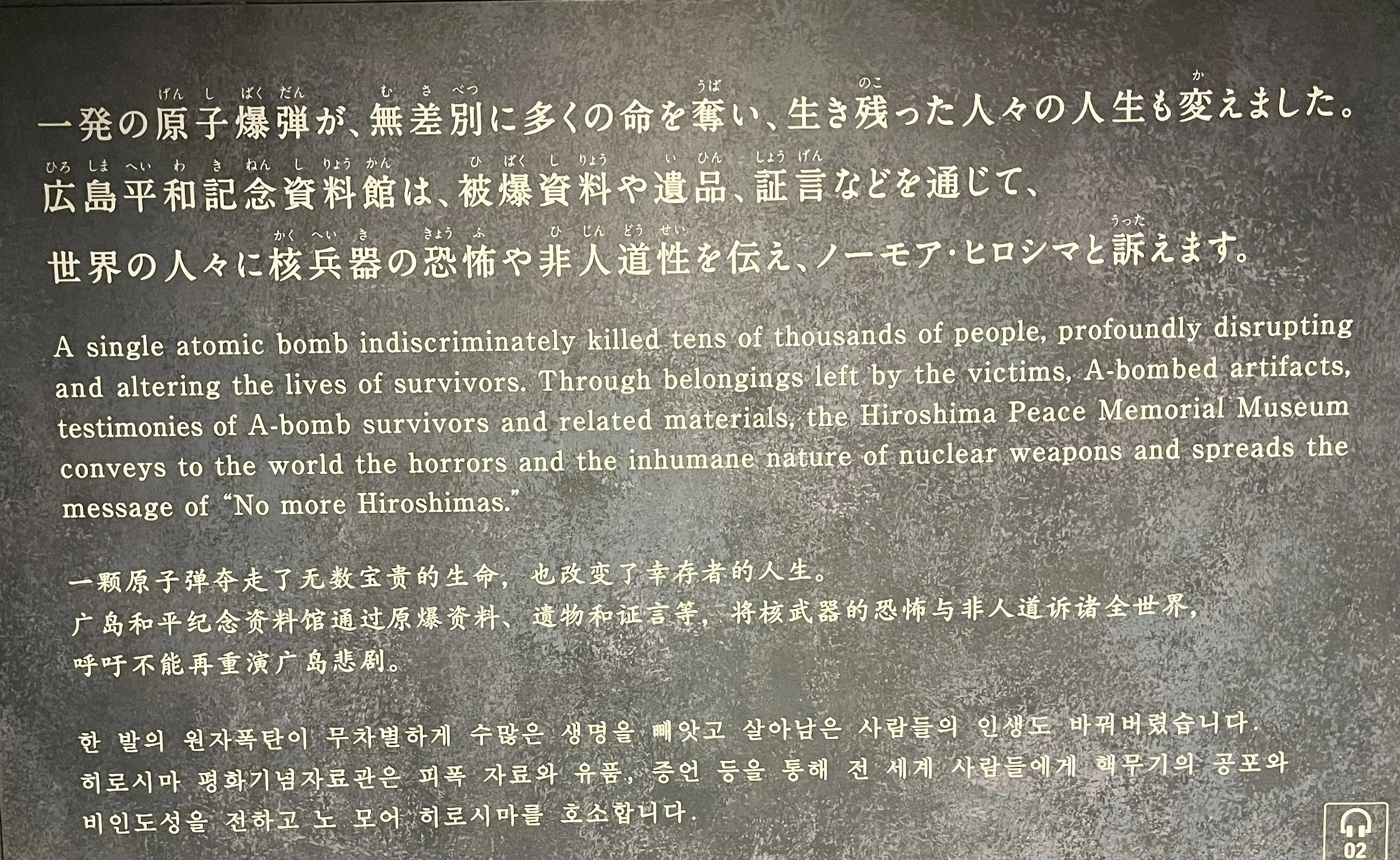
Walking through the museum was confronting. Photos, belongings, and firsthand stories tell of unimaginable suffering — yet also of compassion, forgiveness, and survival. What struck us most wasn’t anger or blame, but an unshakable message: peace is the only way forward.
Emerging back into the park, surrounded by trees and gentle water, you can’t help but notice how beautiful Hiroshima is today — alive, green, full of energy. A city reborn, yet deeply connected to its past.
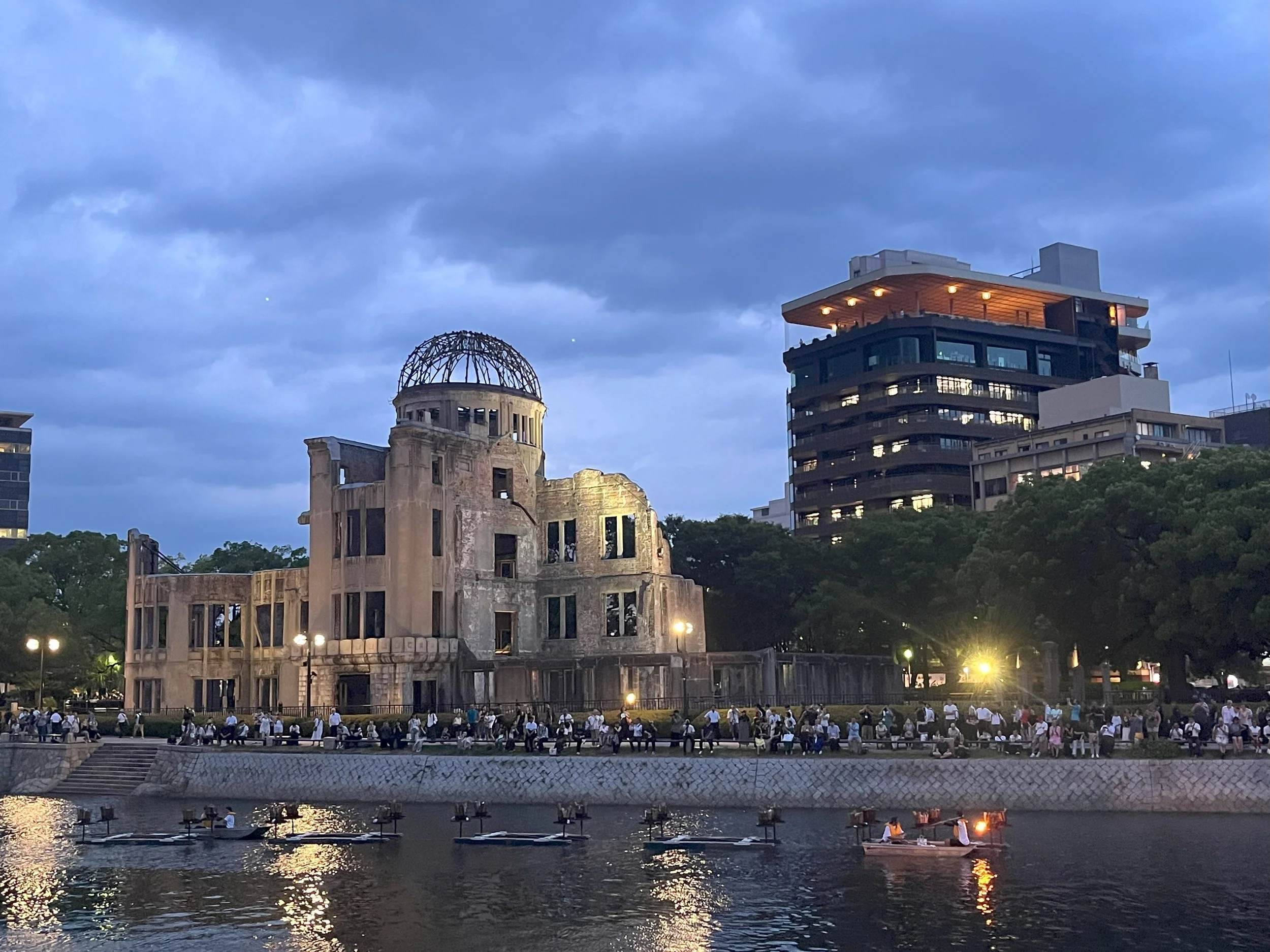
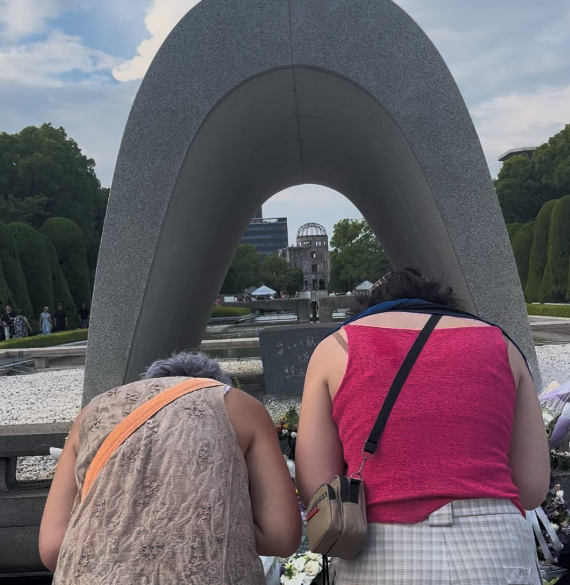
The morning of August 6th, 2025, will stay with me forever. This year marked the 80th anniversary of the atomic bombing of Hiroshima, and I had the great honour of being there — representing my mum, Cherry, who was one of the survivors. I was joined by my wife Karyn, my sisters, Linda and Jenny, and my niece Daisy, and together we stood as a family to remember her and pay our respects to all who were lost.
As the sun rose over Peace Memorial Park, the atmosphere was calm but deeply emotional. Thousands gathered — survivors, their families, dignitaries, and visitors from around the world. There was an unspoken unity in the air — everyone there for the same reason — to remember, to reflect, and to renew the commitment to peace.
The ceremony began at 8:00 a.m. with the Register of the Names of the Fallen Atomic Bomb Victims, delivered by the Mayor of Hiroshima. Every year, new names are added — people who later died from radiation-related illnesses. It was a powerful reminder that the bomb’s impact didn’t end on that day; it has rippled through generations.
At 8:03 a.m., the Chairperson of the Hiroshima City Council gave an address, followed by the Dedication of Flowers at 8:08 a.m. The mayor, city officials, atomic bomb survivors, and distinguished guests placed flowers in solemn silence. It was simple, dignified, and full of meaning.
Then came 8:15 a.m. — the moment the bomb was dropped.
A hush fell over the entire park. Thousands stood completely still. The Peace Bell rang out, slow and steady, and the sound seemed to vibrate through every part of you. For me, it was overwhelming. Standing there, I couldn’t help but think of Mum — a young 16 year old girl at the time — and the unimaginable horror she must have faced that morning. Yet somehow, she survived, and from that came our family. It was an incredibly humbling moment.
At 8:16 a.m., the Peace Declaration was read by the Mayor of Hiroshima. His message was strong and clear — a world free from nuclear weapons, and the continued fight for peace. It was both a warning and a promise.
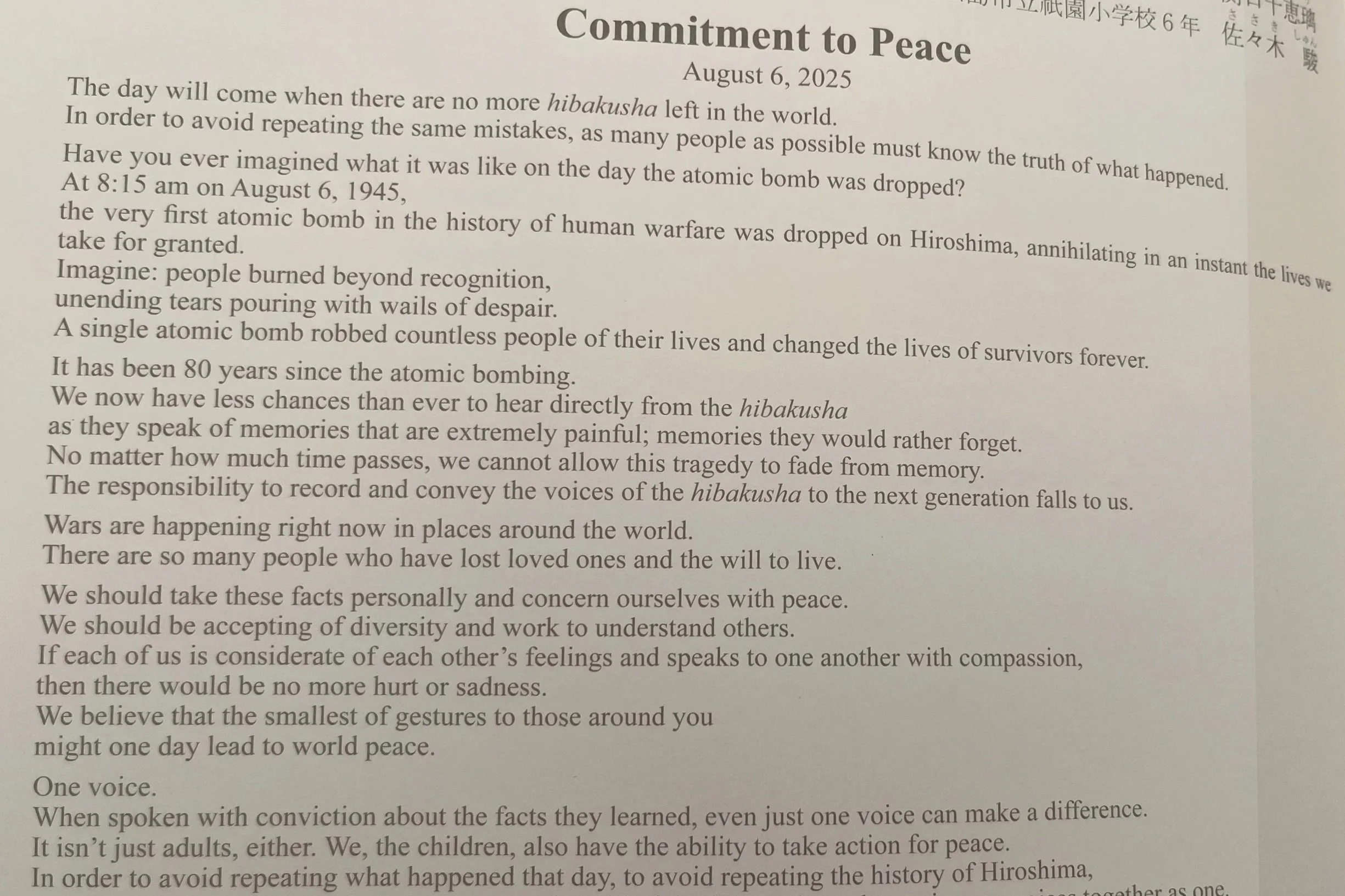
Then came a moment that truly moved everyone present. At 8:24 a.m., two Year 6 students took to the stage to deliver the Children’s Commitment to Peace. Their words were filled with hope and wisdom far beyond their years. Their closing words have stayed with me:
“We, the children, also have the ability to take action for peace. In order to avoid repeating what happened that day, to avoid repeating the history of Hiroshima, we will build peace by continuing to convey the will of the hibakusha and weaving our voices together as one.”
Hearing these young voices speak with such conviction was emotional — a sign that the lessons from Hiroshima live on and that the future is in good hands.
At 8:29 a.m., messages followed from Japan’s Prime Minister, the Governor of Hiroshima, and the Secretary-General of the United Nations, all calling for unity and lasting peace.
The ceremony drew to a close with the Hiroshima Peace Song at 8:46 a.m., before the final closing at 8:50 a.m.. The melody lingered in the air as people slowly began to leave, many wiping away tears.
For me, it was a once-in-a-lifetime moment — to stand in the place where history changed forever, representing my mum, alongside my family. It was emotional, confronting, and incredibly moving. The Japanese people’s ability to turn such devastation into a message of peace and resilience is something truly special.
As the Peace Bell faded into the morning air, I couldn’t help but feel that Mum was with us — quietly proud, watching on.
As evening fell over Hiroshima, the city seemed to take a collective breath. After the solemnity of the morning ceremony, the night brought a different kind of emotion — softer, reflective, but just as powerful.
We made our way back to the Peace Memorial Park along the river, joining thousands of others who had gathered for the Lantern Floating Ceremony. As the sun slipped below the horizon, the warm glow of paper lanterns began to fill the twilight — each one hand-decorated with messages, prayers, and drawings for peace.
People of all ages lined the riverbanks — families, children, tourists, and survivors — each taking their turn to gently place a lantern into the water. The current carried them slowly away, creating a river of light that wound its way through the city.
Standing there watching, you couldn’t help but feel part of something much bigger than yourself. There was no loud noise, no rush, just a quiet hum of shared emotion. Despite the thousands gathered, there was an overwhelming sense of calm and unity — as if everyone understood the moment and its meaning.
It didn’t matter who you were or where you came from — in that space, at that time, we were all connected by the same wish: peace.
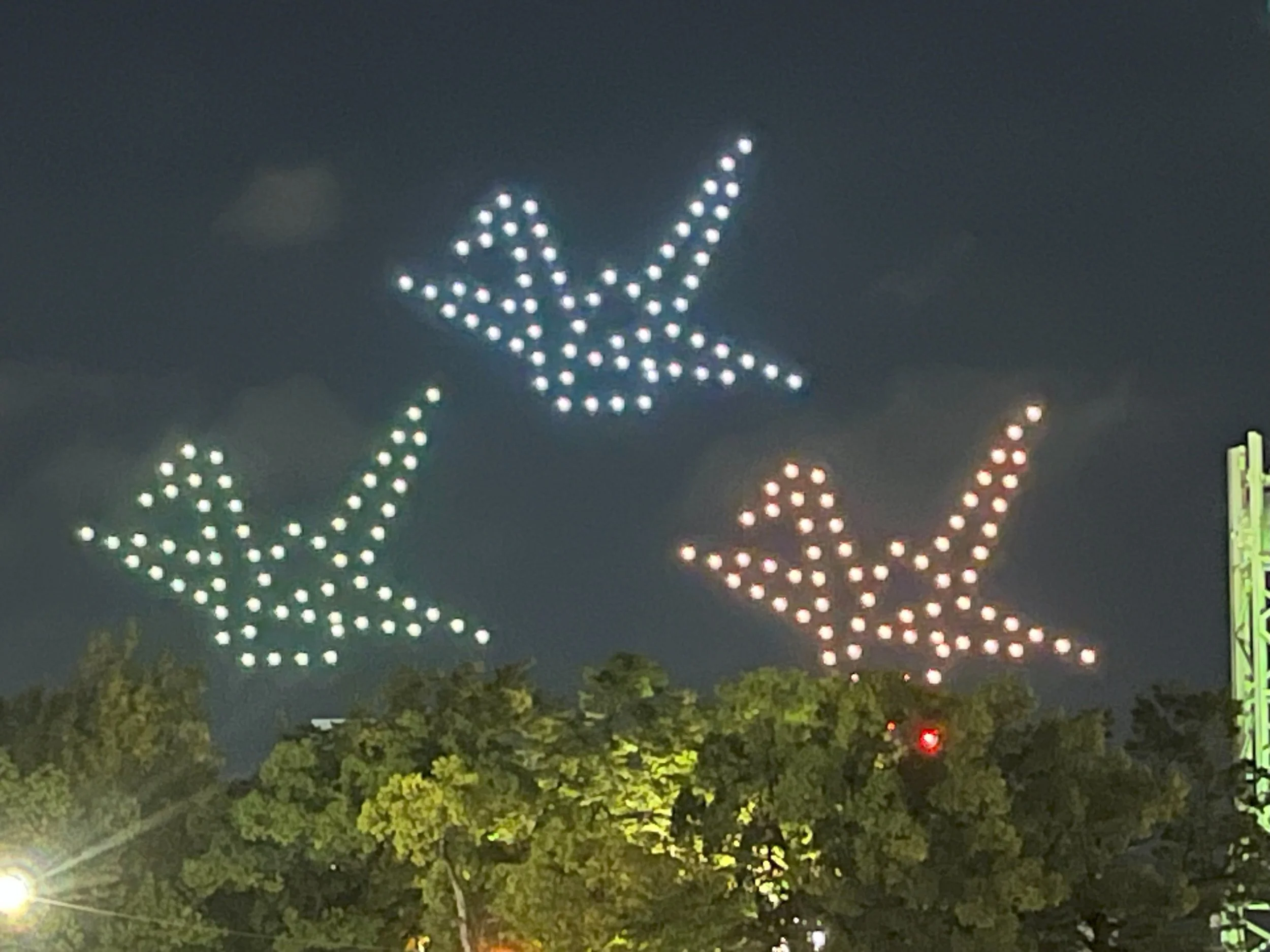
After the lanterns drifted into the night, the sky came alive with the Drone Messages of Peace — hundreds of lights rising and forming symbols and words high above the city. Images of doves, the Peace Dome, and the word “PEACE” shone brightly against the dark sky. It was breathtaking — a perfect blend of tradition and technology, old and new Japan coming together to deliver one powerful message.
Looking around, I could see faces lit by the soft glow of the lanterns and the sky above — people standing quietly, some with tears, others smiling gently. It was emotional, but in a beautiful way — full of hope.
For me, that night summed up everything about Japan and its people — resilience, grace, and a deep understanding of respect and harmony. To be there with my family, representing Mum and all those who suffered so much yet left behind a legacy of peace, was something I’ll never forget.
As the last of the lanterns floated out of sight and the final lights of the drones faded into the distance, I felt this incredible stillness — a sense that we’d witnessed not just remembrance, but renewal. A reminder that peace isn’t just a word; it’s something we all have a hand in creating.
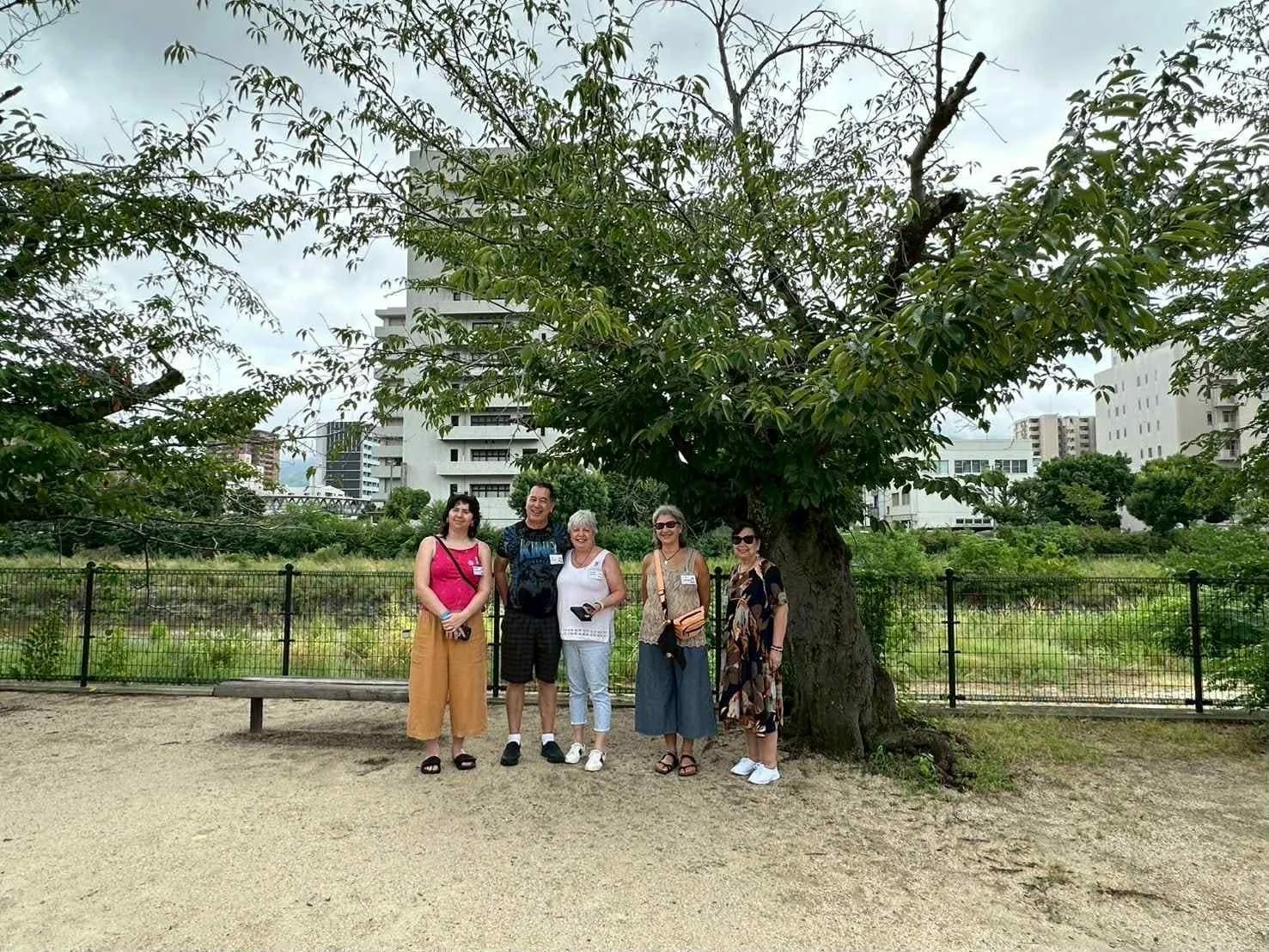
Visiting the area where Mum was born, went to school, and spent her early years was deeply moving. Much of it has now been destroyed by war, time, and natural disasters, yet standing there brought a special sense of calm — imagining Mum walking, playing, and growing up in these streets.
It’s a shame we never had the chance for Mum to show us herself, and she didn’t speak much about her childhood. But this visit gave us snippets of insight into what her life may have been like, making the experience incredibly personal and profound.
A huge thank you to Akira and Hiroe for arranging such a thoughtful and special day — this opportunity to connect with Mum’s past is something we’ll never forget.
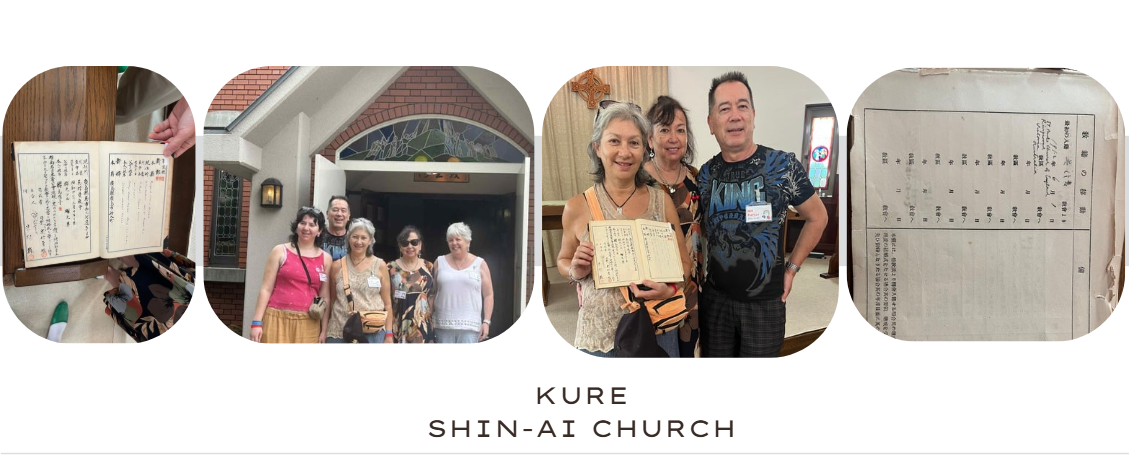
Of course, the original church where Mum and Dad were married is no longer accessible due to age and safety concerns. A new building now stands in its place, safely housing the original historical records — including Mum and Dad’s marriage entry and Mum’s christening certificate.
We felt incredibly lucky to not only see and touch these documents, but also to ask questions about details and family heritage that had been long lost to time. It was a deeply moving experience, connecting us in a very real way to our parents’ past and the remarkable story of their lives.
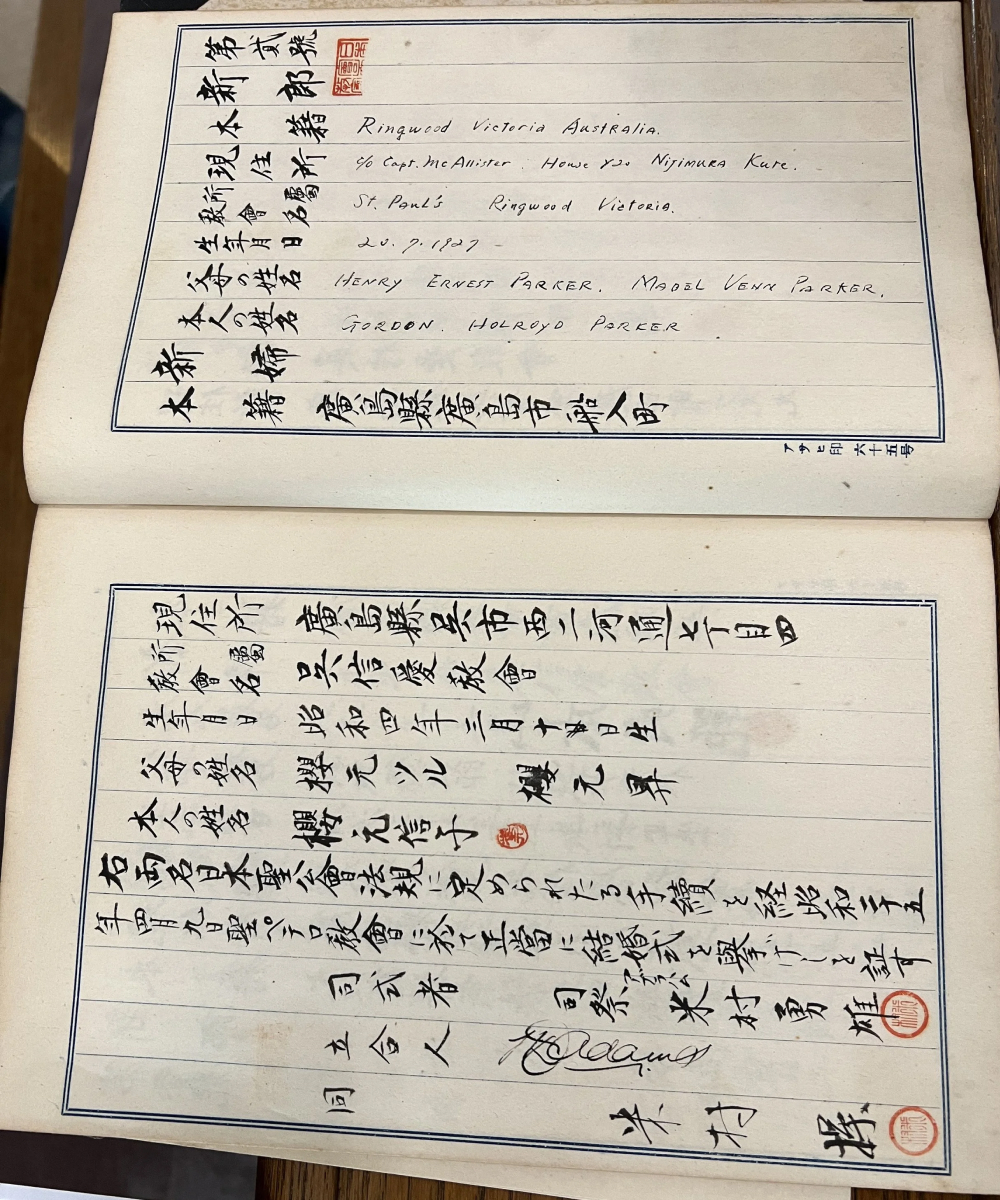
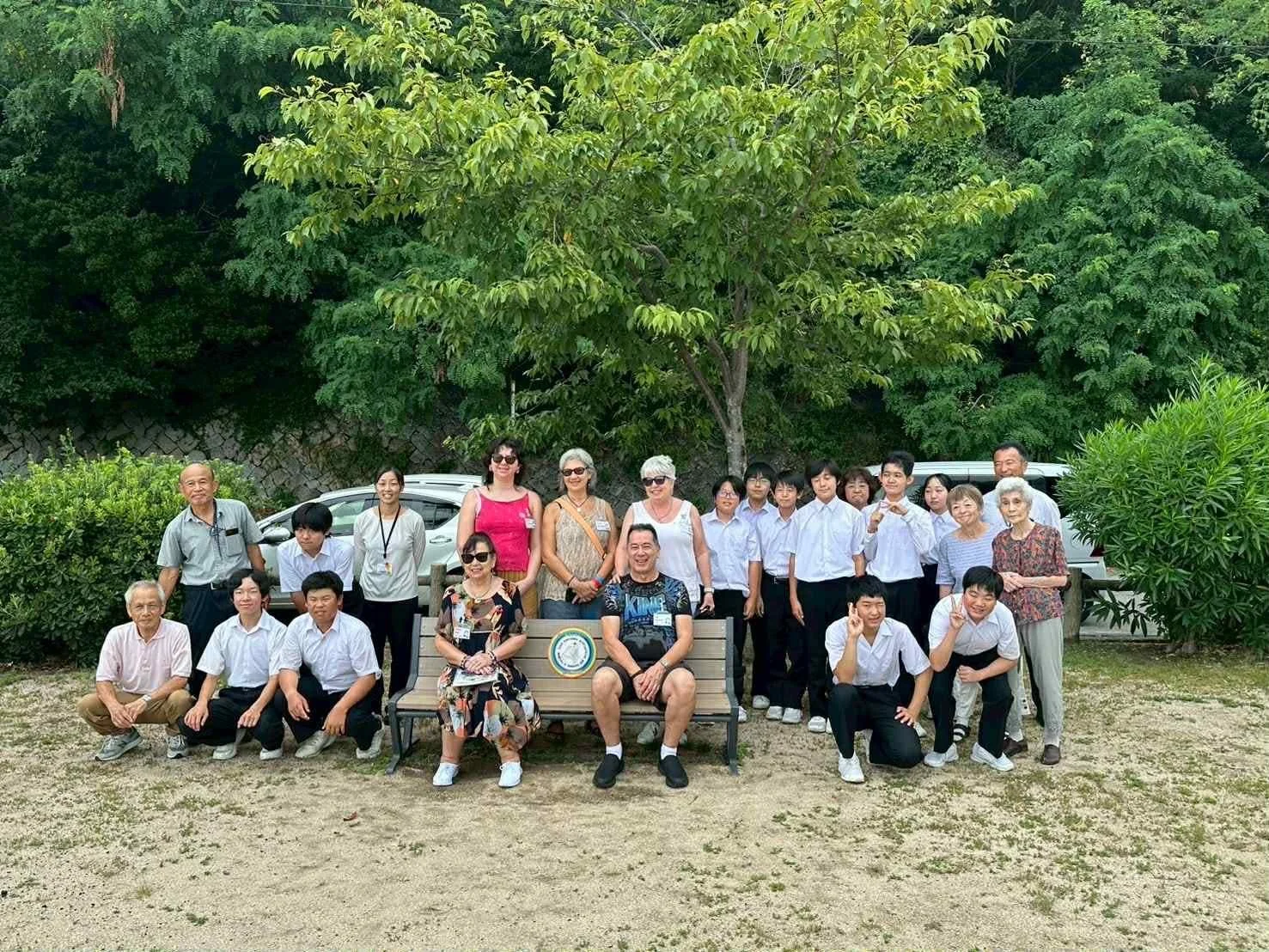
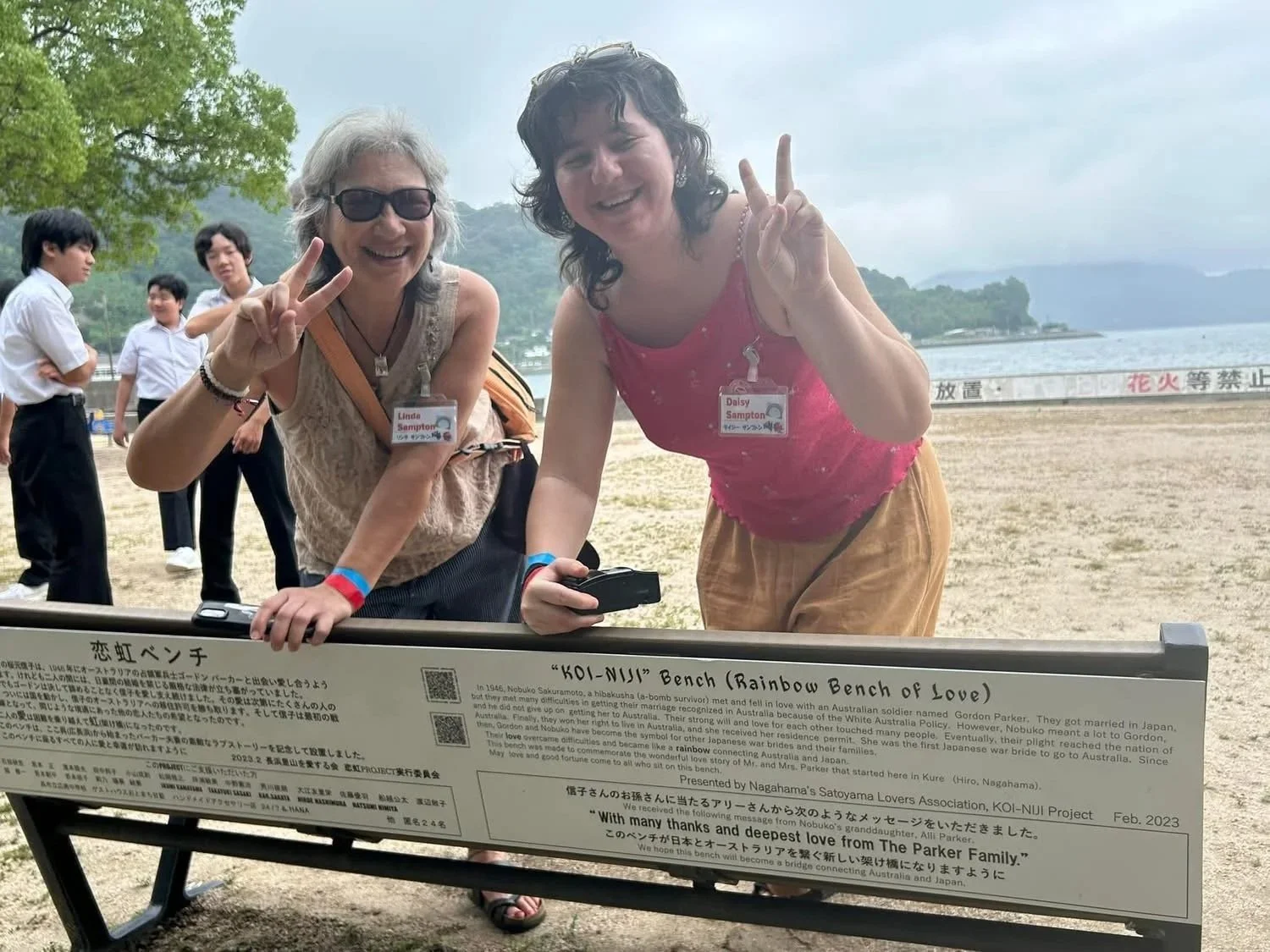
We were warmly welcomed by the children of the local school and members of the local business community who had helped make this special bench possible. The royal treatment we received made us feel incredibly welcome and truly part of something meaningful — a moment we’ll always remember.
For the full story of how the bench came to be, follow this link… Family, Food & Life
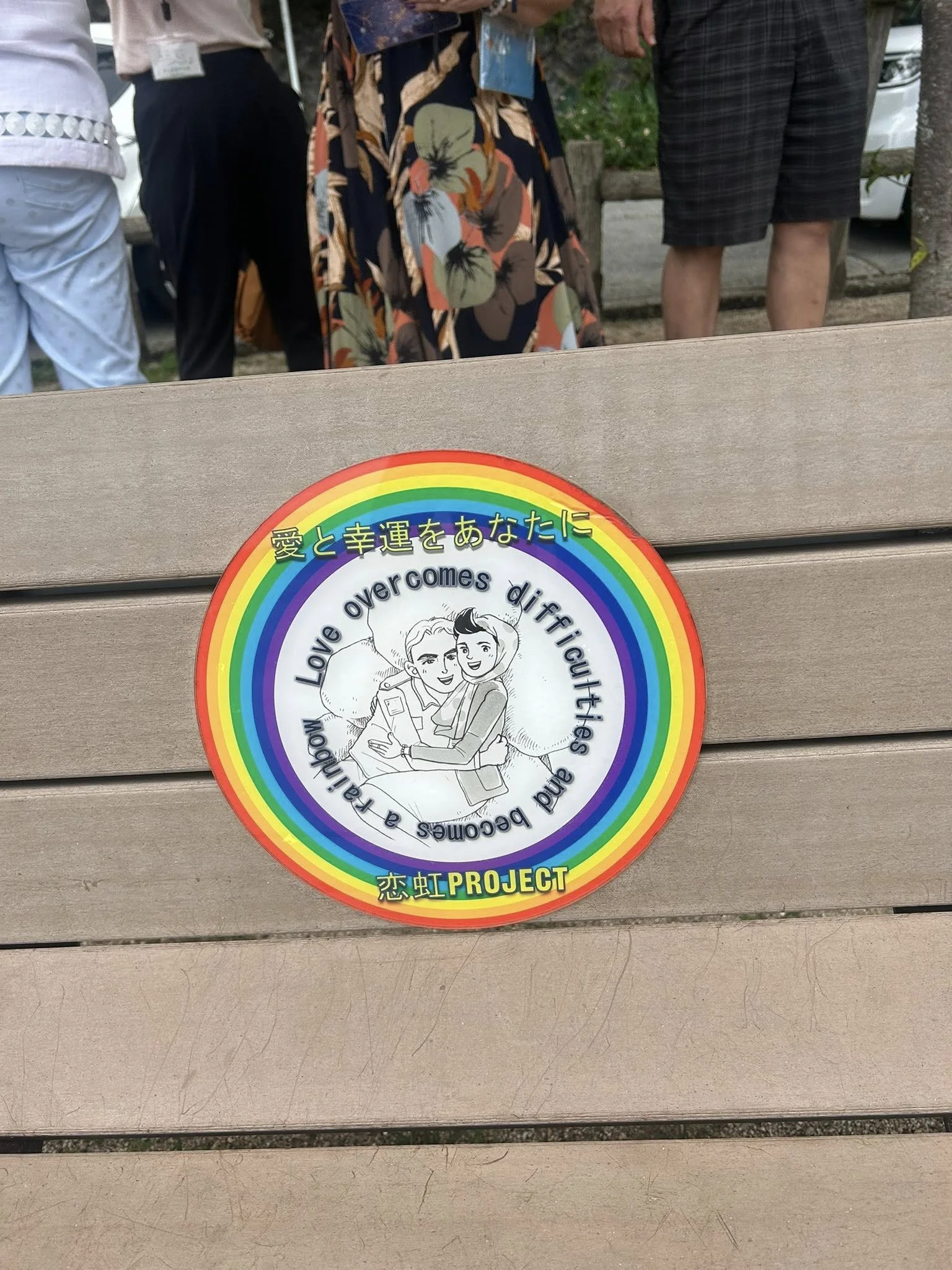
The Koi-Niji Bench isn’t just any bench — it’s a symbol of connection and love. It’s situated exactly where Gordon and Cherry would meet, away from the prying eyes of locals and the military. Sitting there, you can look out across the water toward Australia, with the rainbow arching as a symbol bridging the two countries.
Being there was deeply moving. It’s more than a piece of wood and paint — it’s a tangible reminder of courage, love, and the quiet moments that changed history. Standing by the bench, imagining Mum and Dad meeting there all those years ago, you can’t help but feel the weight of their story and the legacy of hope and connection they left behind.
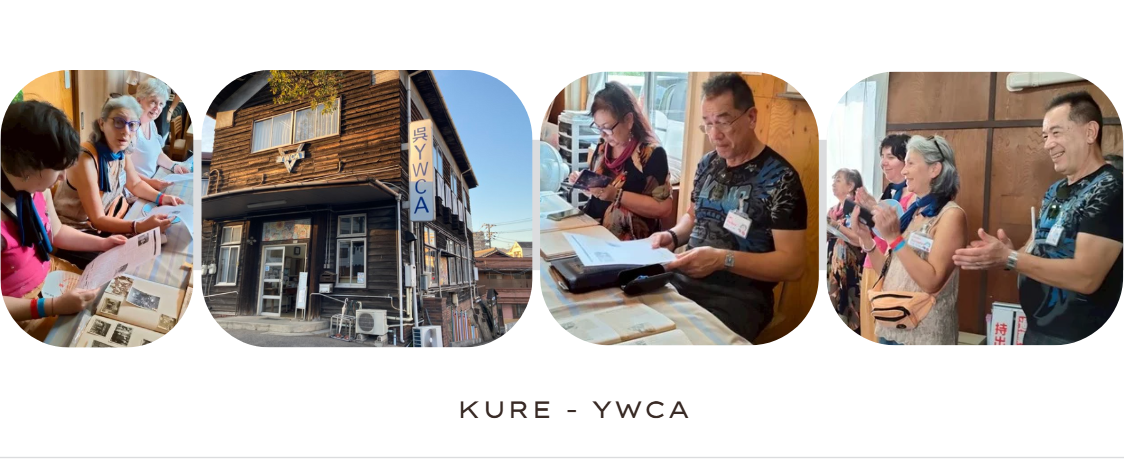
What an amazing original building with such great architecture & old masters carpentary skills on display. From a former Naval facility to a local place of relaxation for all, you cold sense you were stepping back in time. It was also a community centre where my mother was a member and we were fortunate to see where she had signed out a library book. We were welcomed by the members ladies choir with Waltzing Matilda sung in both Japanese & Australian - beautiful.

Akira and Hiroe organised an unforgettable Kure Bay cruise of the shipyards, giving us a front-row view of everything from submarines to the latest sonar ships and frigates. It was fascinating to see the scale and precision of the operations — a real mix of history and cutting-edge technology.
In fact, the day we were cruising, Australia signed a historic $6.5 billion defence contract with Mitsubishi Heavy Industries to build 11 Mogami-class frigates — and we even got to cruise past one of them! That was a very cool moment.
The cruise also took us past buildings that once housed the British Commonwealth Occupation Forces (BCOF), where Dad was stationed decades ago. Being able to see these sites firsthand added a tangible connection to our family history, blending the past and present in a way we’ll never forget.
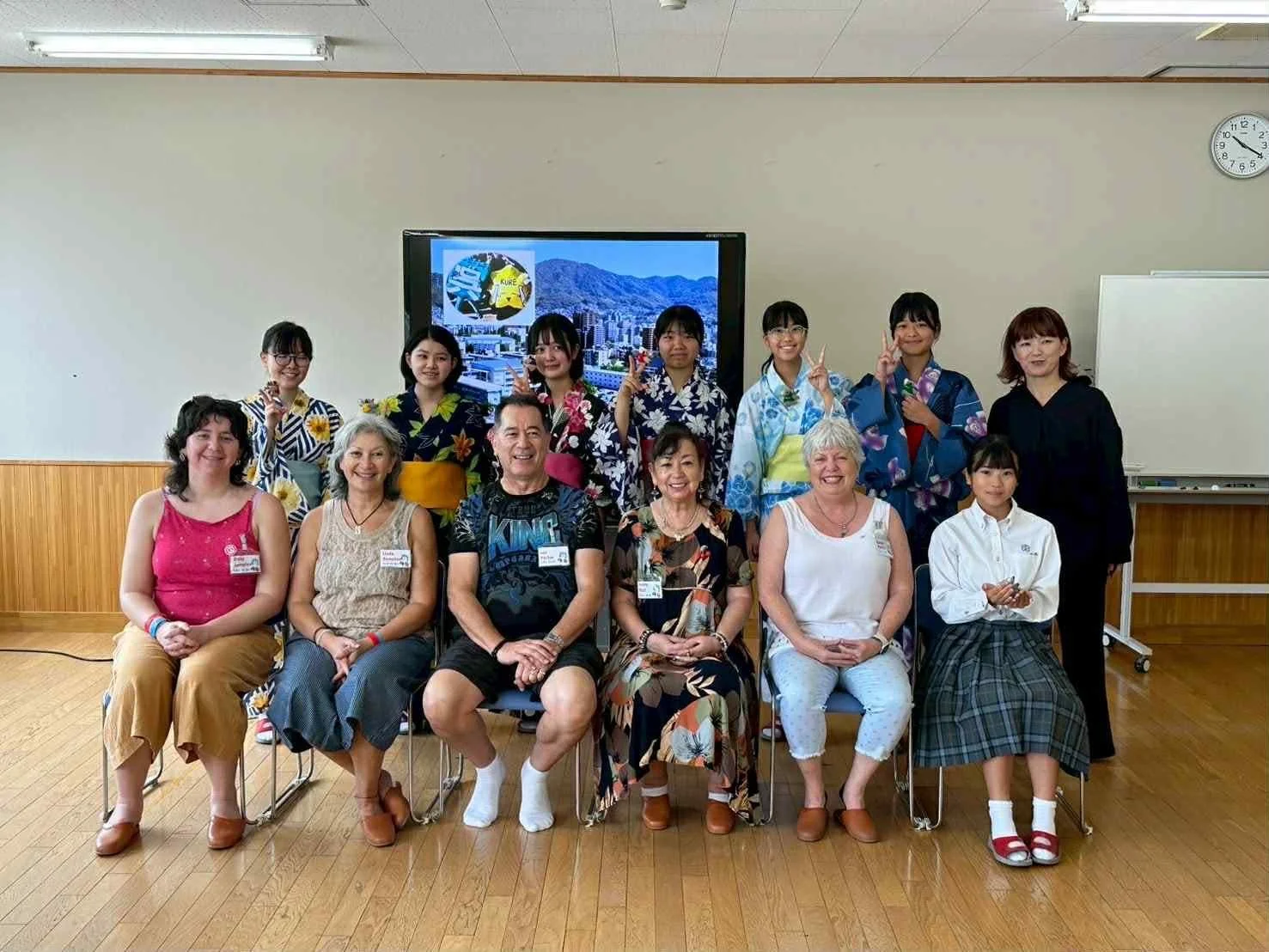
As part of the special day Hiroe and Akira arranged for us, we had the absolute delight of visiting Chuo Junior High School. From the moment we arrived, the English language students were perfect hosts, greeting us with handmade cranes and a magnificent morning tea featuring tiny, locally made cakes that looked like delicate flowers.
The students then gave a presentation on the local area, each taking a turn and using their best English to impress us. We even got to chat with them, giving them a chance to practice conversational English while sharing stories of our own.
As a lovely keepsake, the Principal presented us with beautiful gift boxes and wished us a wonderful time for the rest of our travels. To top it all off, our visit even made the local press — what an unexpected and overwhelming surprise!
It was a heartwarming and memorable experience, showcasing the generosity, enthusiasm, and pride of the students and community.
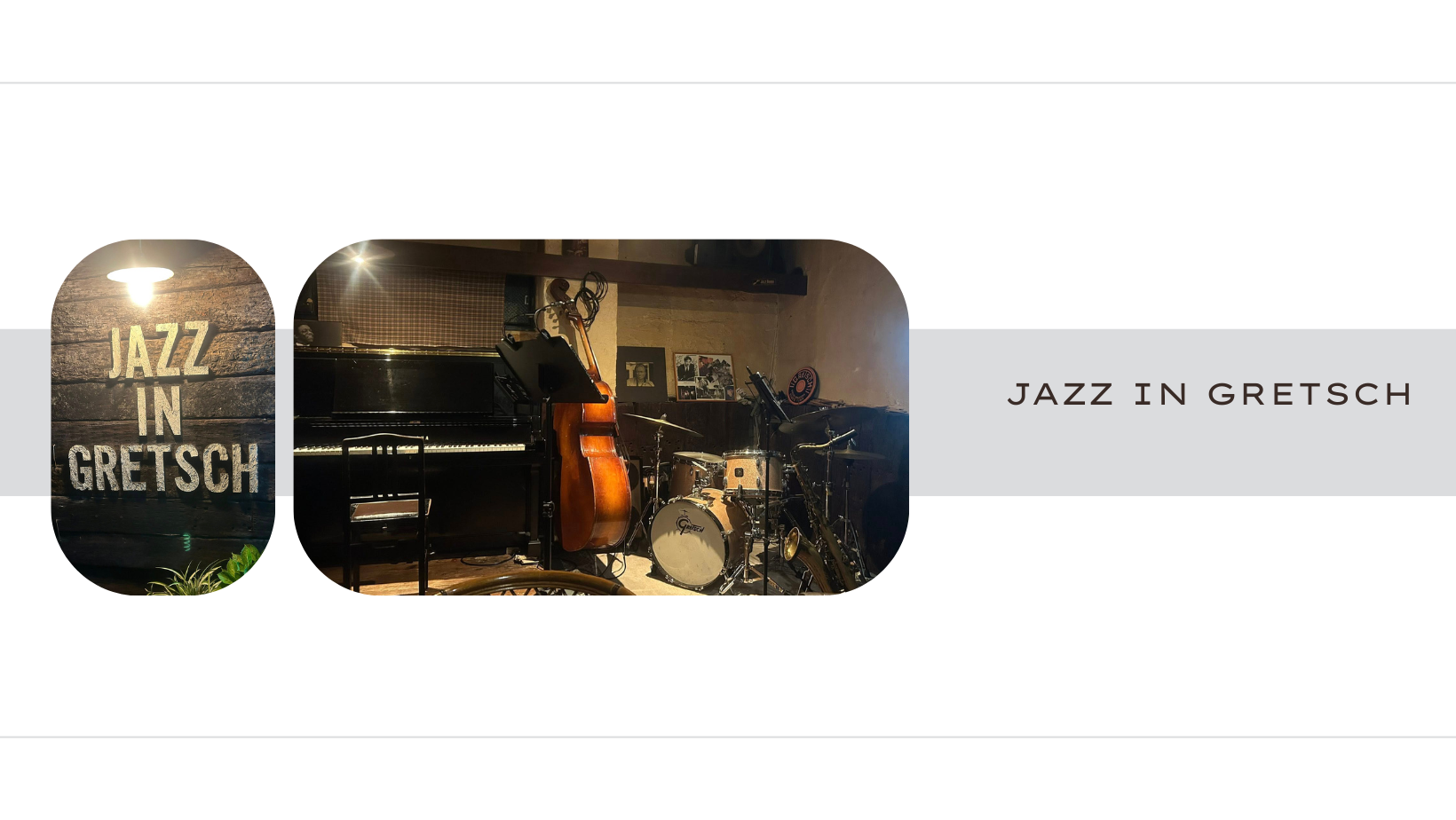
🎷 Jazz in Gretsch – A Night to Remember in Matsuyama
We stumbled upon a real hidden gem in Matsuyama — a little jazz bar called Jazz in Gretsch. From the moment we walked in, the place had such a cozy, intimate vibe and the music just filled the room. The musicians were insanely talented and clearly passionate about what they do — it was impossible not to get caught up in it.
The best part? My niece Daisy was invited to join them on stage for a song! Watching her sing with this incredible group of musicians was one of those magical moments you don’t forget. We all had such a great night — laughing, clapping and soaking in the music.
If you’re in Matsuyama and love live music, Jazz in Gretsch is a must-visit. It’s small, unassuming, and full of heart — the kind of place that makes you fall in love with a city all over again.
For more information or to check the schedule, visit their official website: Jazz in Gretsch
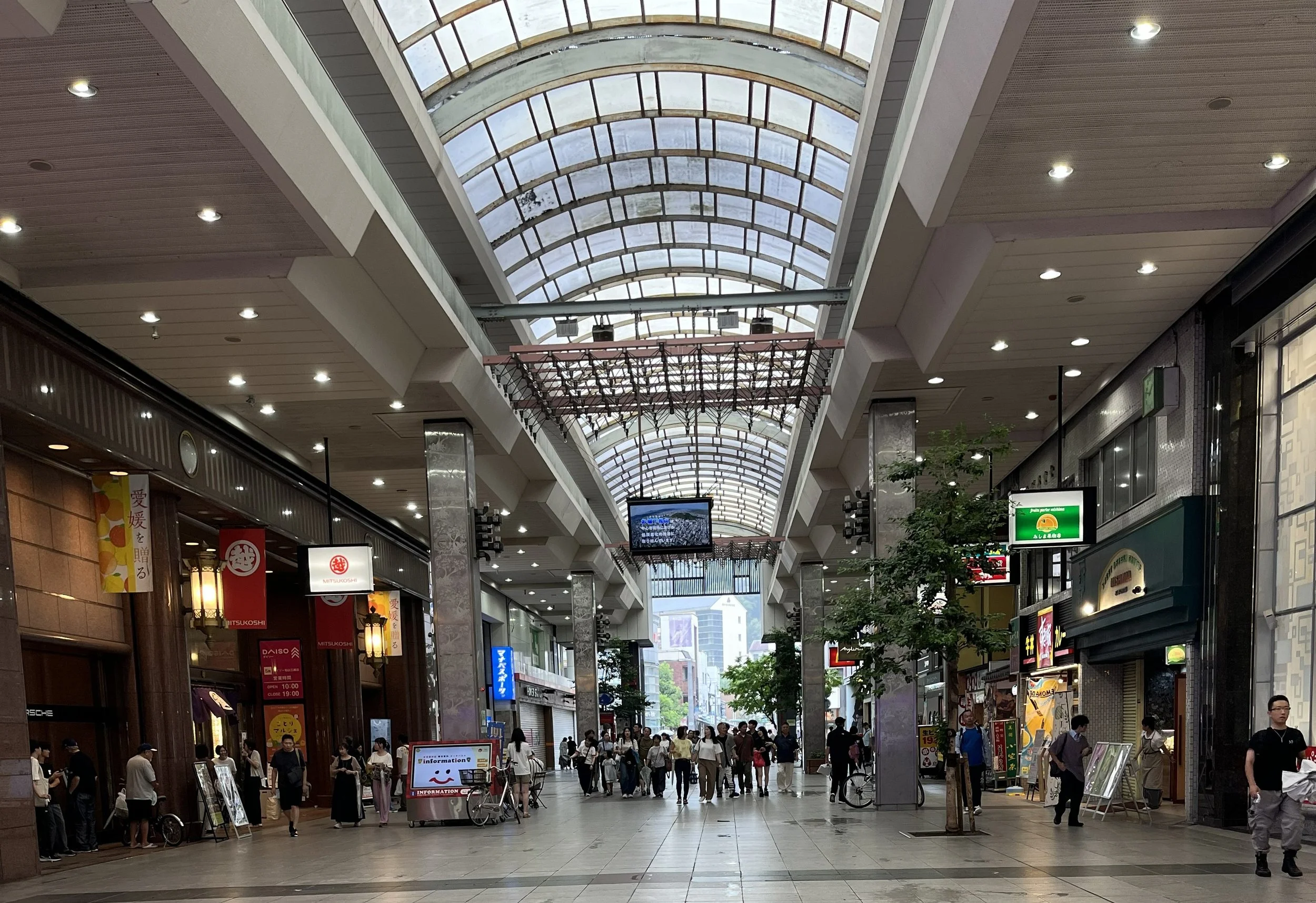
Unknown to us, Matsuyama is considered the original home of baseball in Japan, and every August the city comes alive with the Yakyuken Odori Festival — a spectacular celebration where dance meets sport.
Teams of dancers take to the streets performing acrobatic, baseball-themed routines, each group with its own unique music, costumes and choreography. The energy is infectious and we quickly found ourselves swept up in the fun.
We caught the performances at Matsuyama Castle Park and more in a nearby Okaido Shopping Street. The atmosphere was electric — truly something that has to be seen to be believed. It’s a wonderful mix of tradition, crazy, creativity and great fun, and it’s easy to see why this is one of Matsuyama’s biggest and most loved festivals.
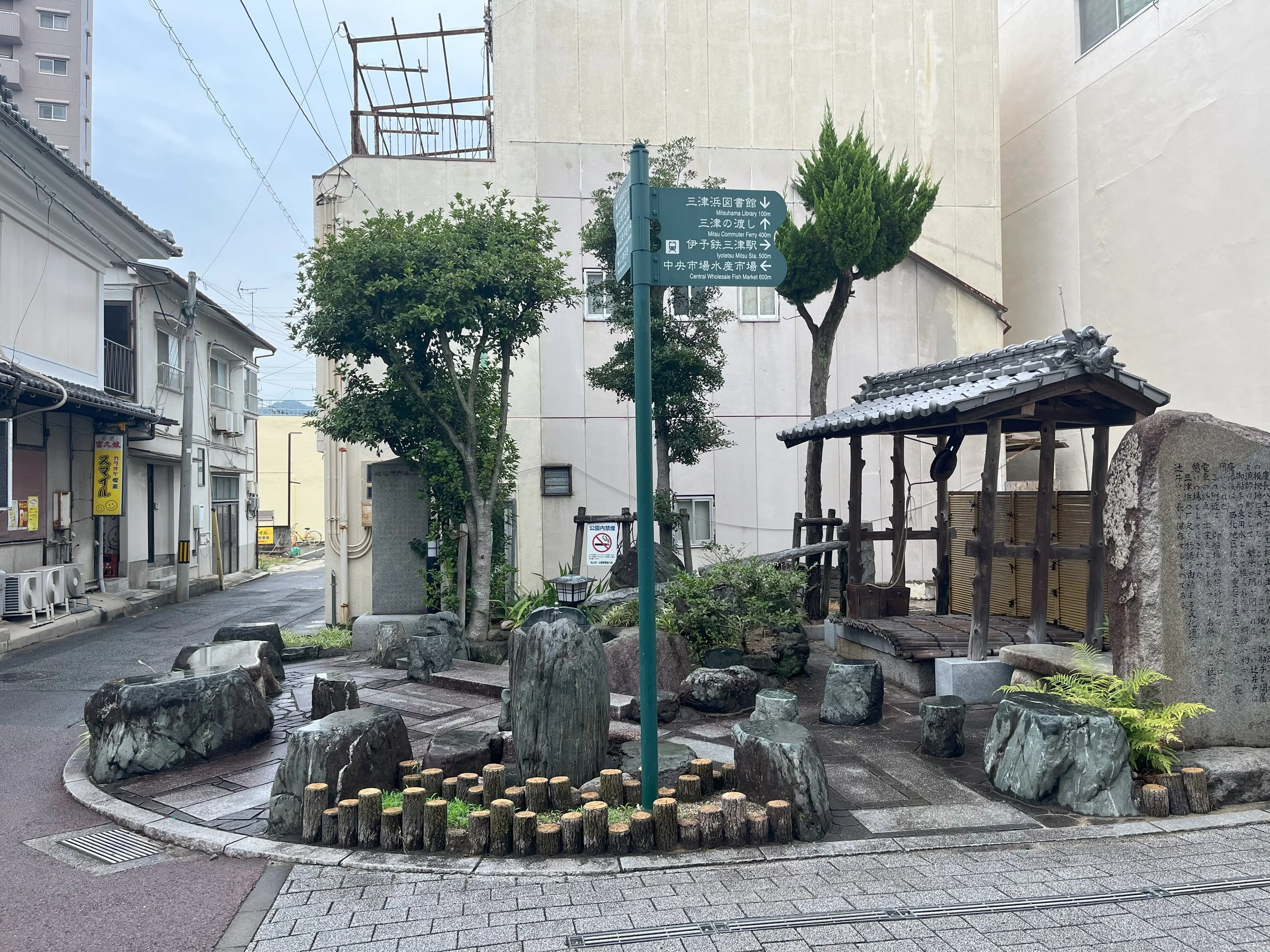
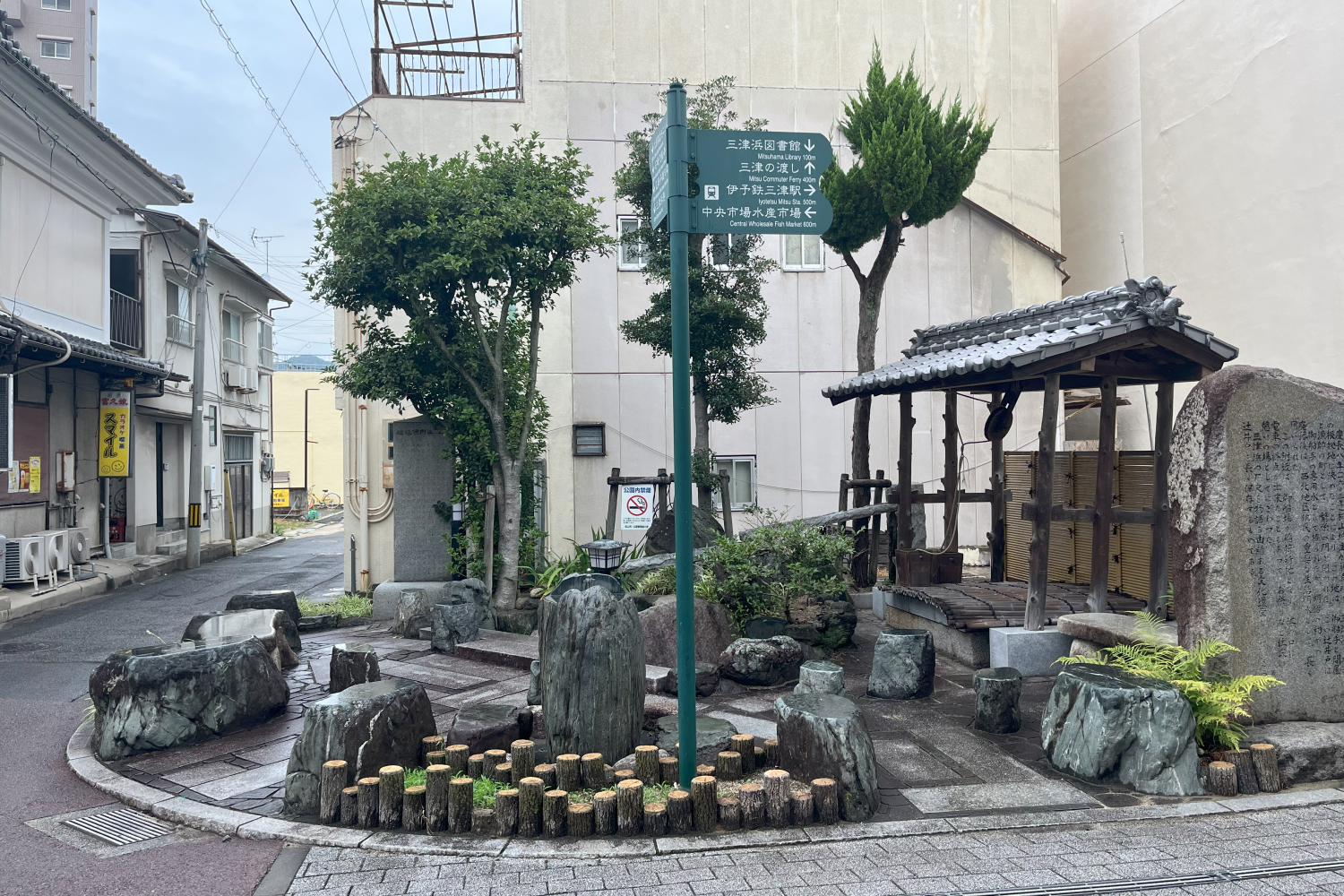
Tucked within the Ehime Prefecture, Mitsuyama feels like stepping into a postcard of old Japan — a traditional fishing village quietly humming with life and character. From the moment we arrived, we were drawn down the long main street lined with an eclectic mix of small shops: a coffee roaster, music and vinyl store, hairdresser, barber, post office and stall filled with fresh local produce. Every doorway seemed to tell a story.
We found one of our most memorable meals here at Mado Table and Flowers, a charming little restaurant run by a young couple who had just moved from Kobe — only open a week when we arrived. Their calamari pasta was simple, elegant, and absolutely delicious — the kind of meal that lingers in your memory. Just down the street, Ton Ton Crepes offered another unexpected delight — light, delicate, and made with such care.
Mitsuyama is more than just a stop on the map — it’s a place where history, community, and hope quietly intertwine.
Wandering through Mitsu, you can’t help but be captivated by the old machiya-style storefronts and traditional minka homes that line the streets. Many of these wooden residences still carry the craftsmanship and quiet beauty of another era — sliding doors, tiled roofs, and delicate latticework that whisper stories of the past.
Sadly, many of these homes have been left vacant and forgotten, their owners long gone. But there’s hope here too. The Mitsuhama Machiya Bank was created their vision for saving these historic buildings and turning them into cultural treasures once again by offering a free matching service to connect potential new residents or entrepreneurs with property owners — helping breathe life back into the community while preserving its soul.
It’s an inspiring reminder that even in the quietest corners of Japan, people are finding thoughtful ways to honour the past while building the future.
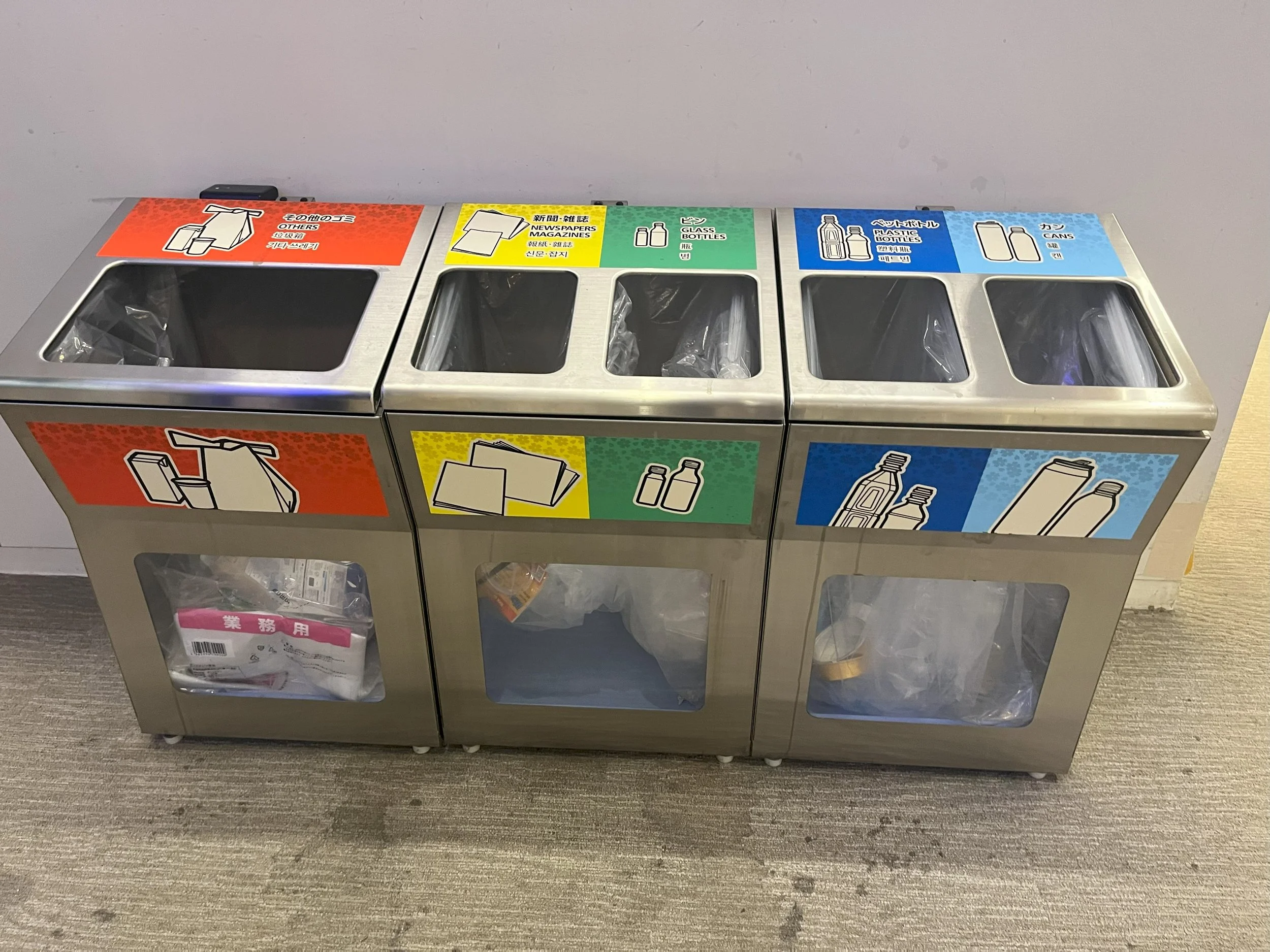
One thing you quickly notice in Japan — everything is beautifully packaged. Whether it’s a small snack from the corner store or a set of chopsticks with your takeaway meal, every item feels like a little gift. Presentation isn’t just about looks here; it’s part of their culture — a quiet act of care and respect.
Now, while all that packaging might make most of us think, “Wow, that’s a lot of waste,” Japan has it sorted — literally. Recycling is taken very seriously. Every household separates its rubbish into different categories, and you’d better get it right!
You’ll usually find three main bins: one for burnables (like food scraps and paper), one for plastics, and one for cans and bottles. Sometimes there are even more specific ones depending on the area - e.g. the bins at Nartia Arport - pictured above. It can get a little confusing, especially for visitors. In a few of the Airbnbs we stayed in, the owners asked us to leave the rubbish for them to handle — probably safer that way!
What’s amazing though, is how smoothly it all works. Streets are spotless, bins are rarely overflowing, and people just do the right thing — no fuss, no complaints. It’s simply part of daily life. A reminder that respect for others — and for the environment — runs deep in everything they do.
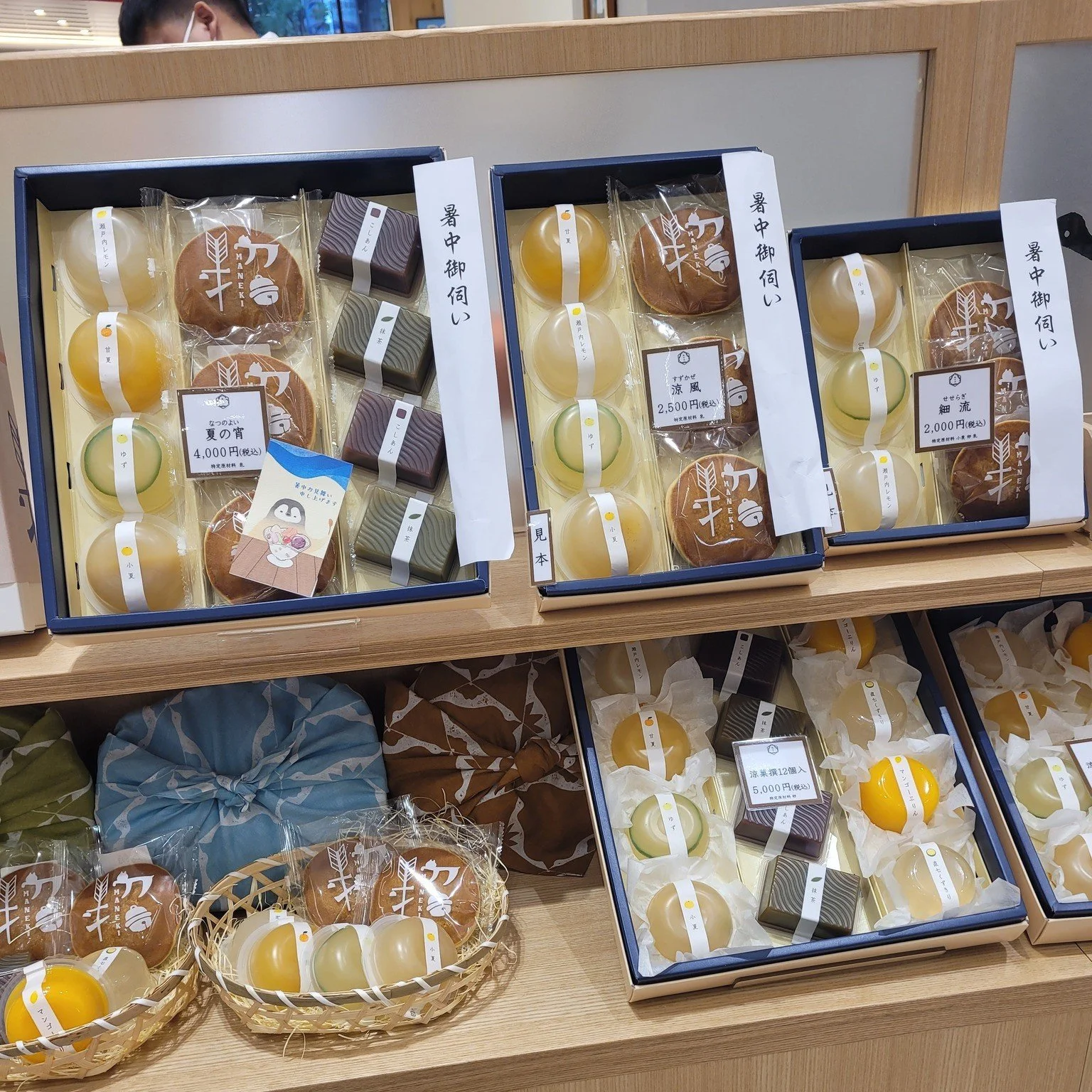
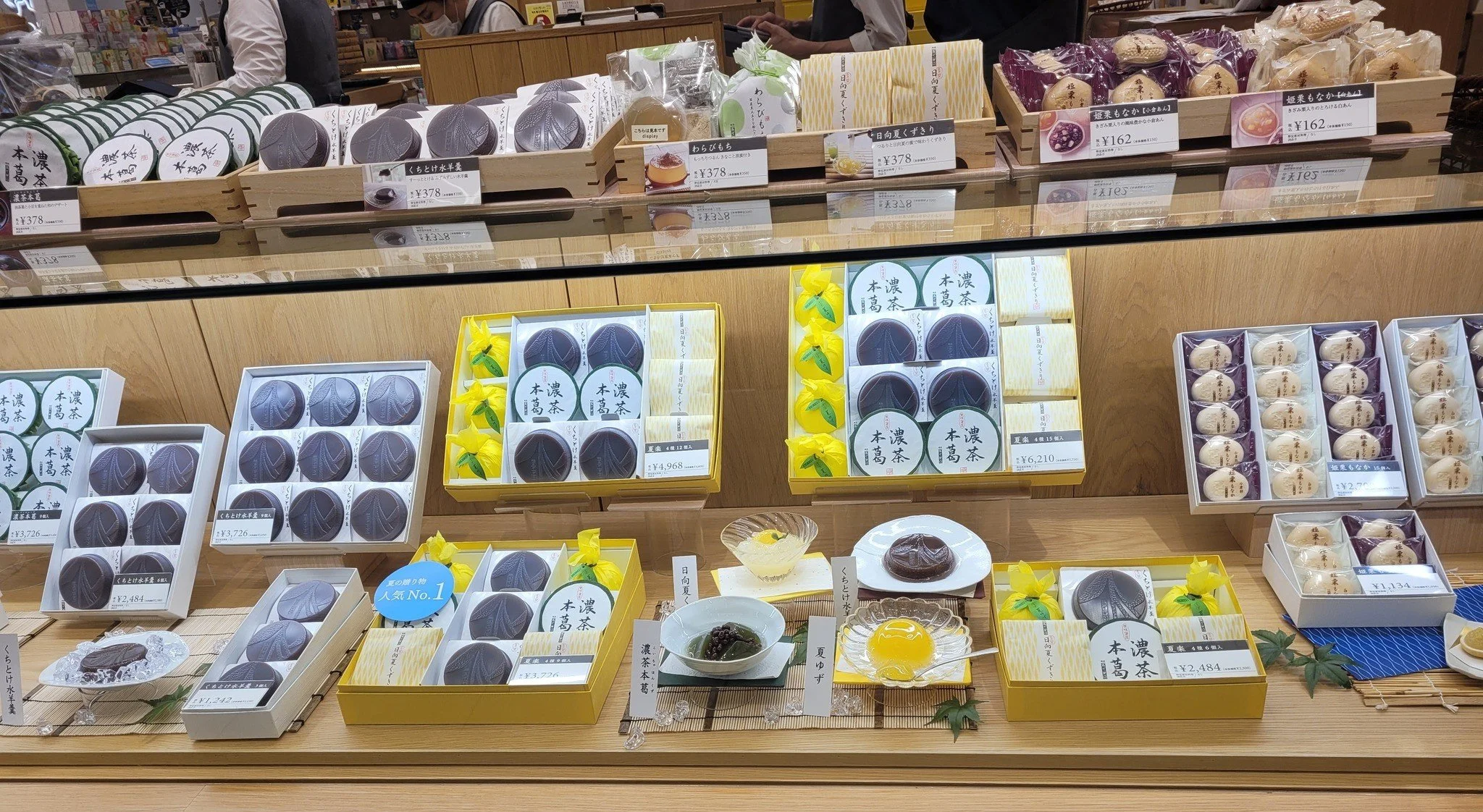
It’s true — in Japan, everything is beautifully packaged. Sometimes you’ll even find things wrapped inside other wrappings! But there’s more to it than just looks. Packaging here isn’t wasteful; it’s intentional.
Each layer has a purpose — to protect, to present, and to show respect for the person receiving it. It’s part of their culture of care. And while it might look like a lot, most of it’s designed to be recyclable or easy to separate. There’s also a strong push for clear labelling and better materials, so nothing goes to waste without thought.
When you buy something from a store, it’s often handed to you like a little gift. That’s just how they do things — it’s thoughtful, not excessive.
When we stayed in Airbnbs, most hosts asked us to leave the rubbish for them to sort — and honestly, I was relieved. The recycling system can get very detailed, with different days and categories for everything: burnables, plastics, cans, paper… even bottles sometimes have their own schedule.
For locals, it’s second nature. They just do it — no fuss, no shortcuts. It’s impressive, really.
Another thing we noticed — the bin liners were all clear plastic. I can only guess it’s so people can easily see what’s inside, making sure things are sorted correctly. Whatever the reason, it’s a small example of how transparency and accountability seem to run through everything they do.
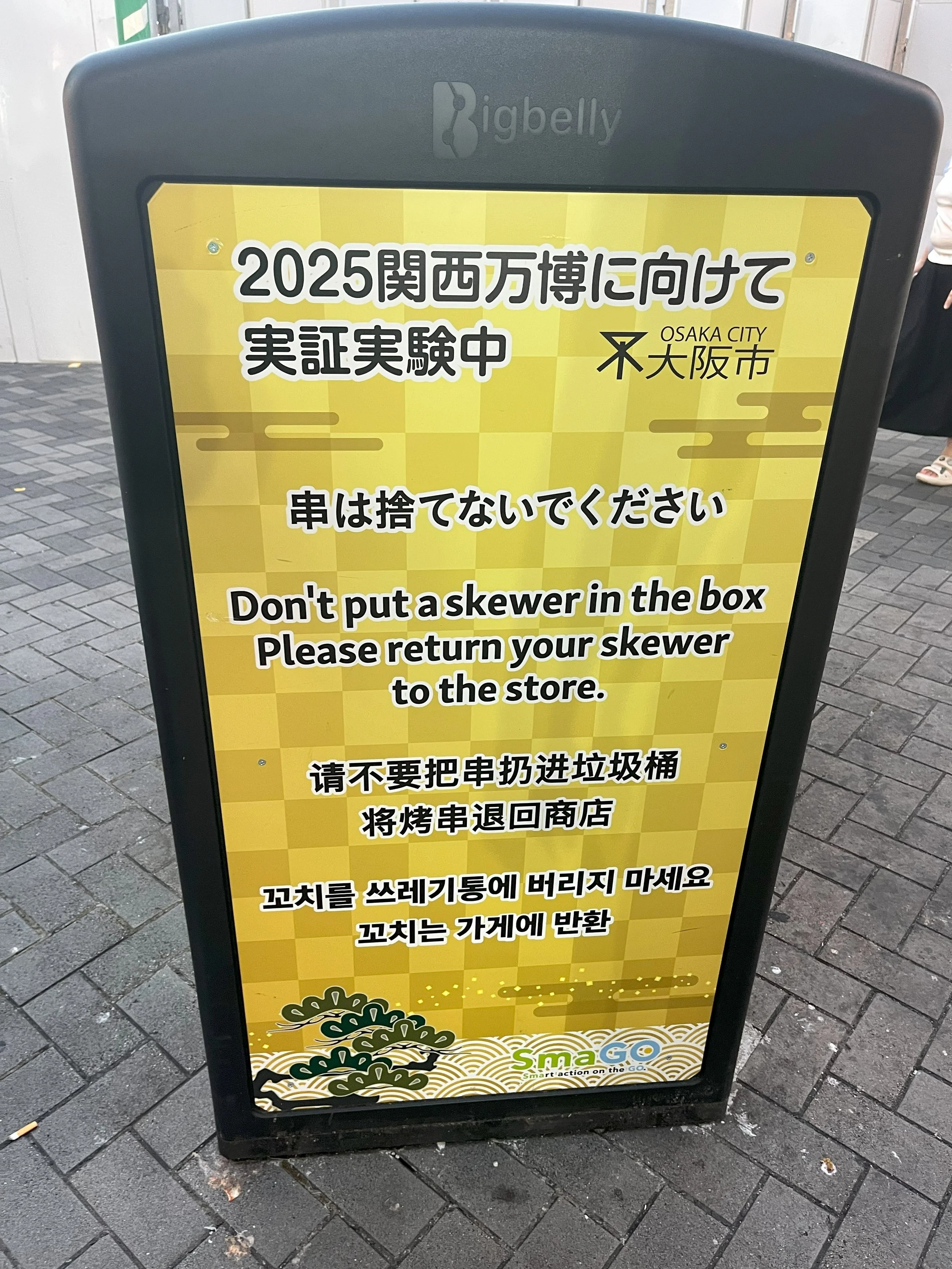
And this one really got me — we saw signs asking people not to throw skewers in the bins, but to take them back to the shop where they were bought. Makes perfect sense when you think about it — it protects the cleaners from getting jabbed, and keeps the bins free of hazards. Just another quiet way of showing care and respect for others, even in something as ordinary as rubbish.
I remember thinking how packaging in Japan feels like part of a much bigger picture — it’s not just about wrapping things neatly, but about respect. Respect for the person receiving it, for the maker, for the person cleaning up, and for the environment it eventually returns to.
As visitors, we tried to follow the system as best we could. It wasn’t always easy, but it gave us a new appreciation for the balance they’ve found — where beauty, respect, and practicality all coexist so naturally.
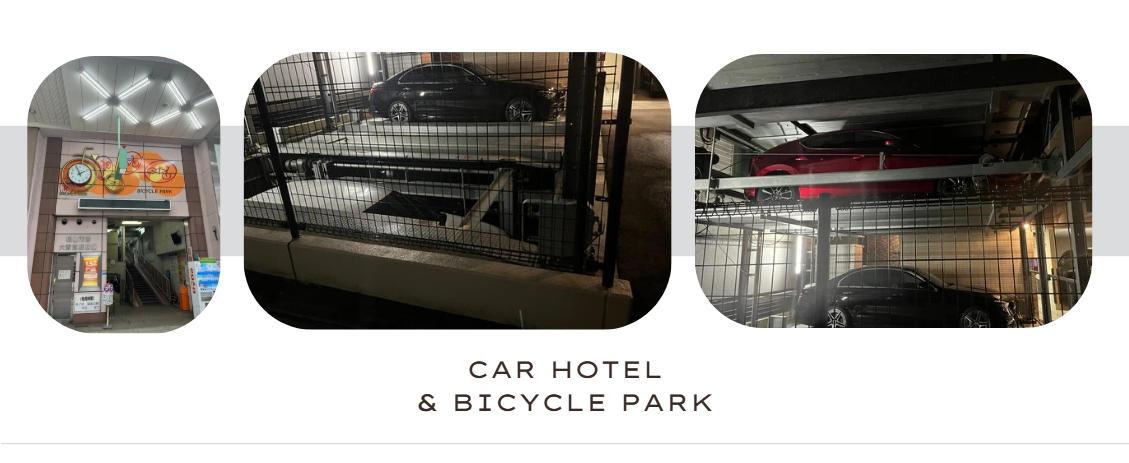
In Japan, where space is at a premium, mechanized multi-story car parking systems are a testament to the country's ingenuity. These automated facilities efficiently stack vehicles in vertical structures, utilizing advanced technology to maximize limited urban space.
Similarly, Japan has developed multi-story bicycle parking garages to accommodate the country's cycling culture. These facilities, often located near train stations and shopping centers, employ automated systems to store bicycles securely and efficiently.
These innovative parking solutions not only address space constraints but also reflect Japan's commitment to blending technology with urban planning to create efficient and sustainable environments.
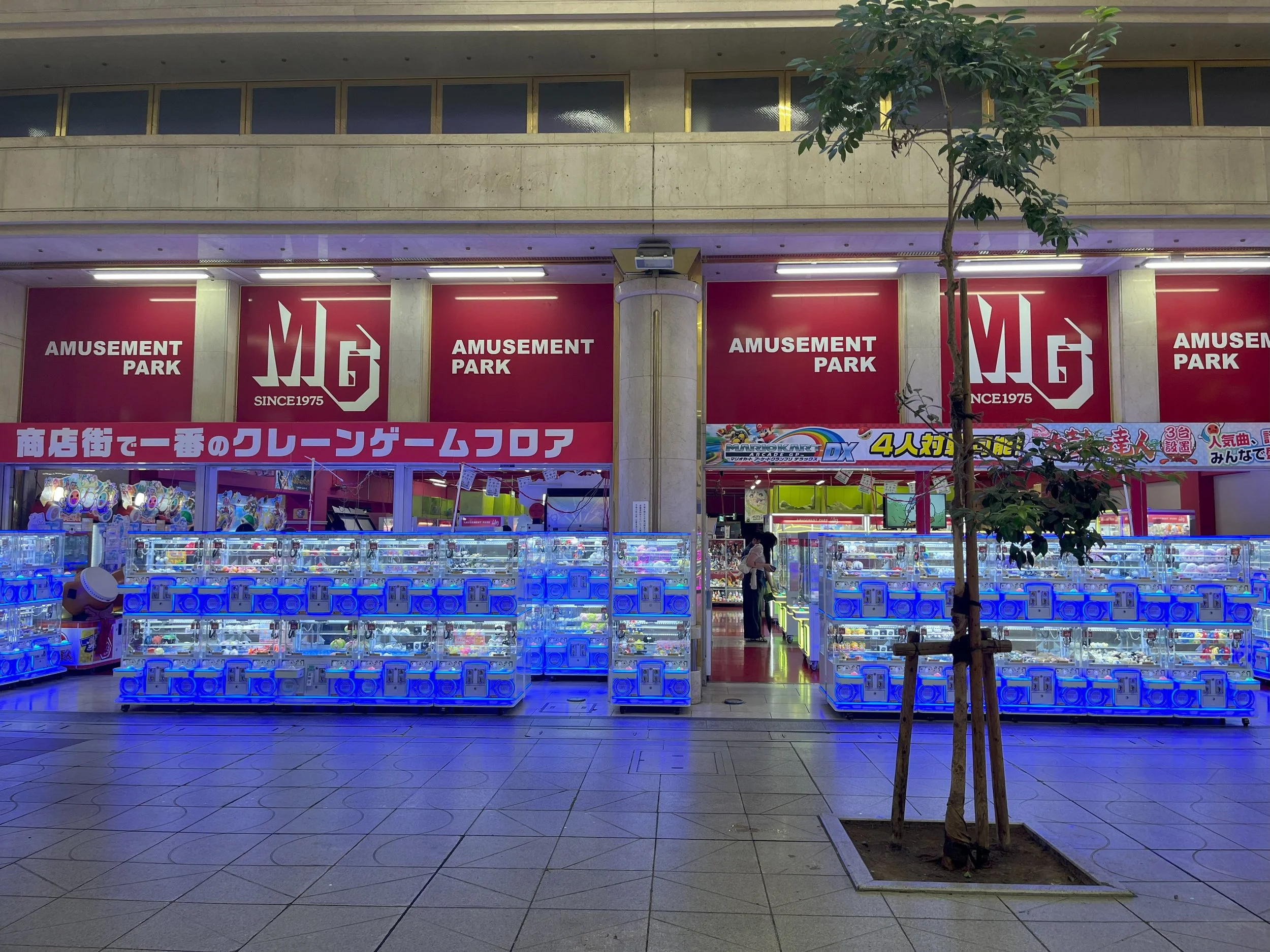
In Japan, where space is at a premium, mechanized multi-story car parking systems are a testament to the country's ingenuity. These automated facilities efficiently stack vehicles in vertical sOne of the quirkiest and most fun experiences we discovered in Japan was the gachapon machines — those little capsule toy vending machines that are everywhere. You pop in a coin, turn the handle, and out comes a tiny plastic capsule with a surprise toy or collectible inside. It’s a bit like a mini lottery, and the thrill is in not knowing exactly what you’ll get. Some are themed around anime, some offer cute animals, and some are completely bizarre — there’s always something to make you smile. We were amazed at just how many and how big this craze was and wandering through shopping centres and spotting the rows of machines, watching the clear capsules tumble out, can’t say we could share the excitment but guessing it is not targeting for our generation. It’s one of those fun, whimsical touches that makes Japan feel endlessly inventive and playful.
Back home for a few days now, and as we reflect on our time in Japan, one word continues to echo through everything we saw and experienced — Respect.
You simply can’t visit Japan and not come away changed by how deeply this value is woven into daily life. It’s not just a word — it’s a way of being.
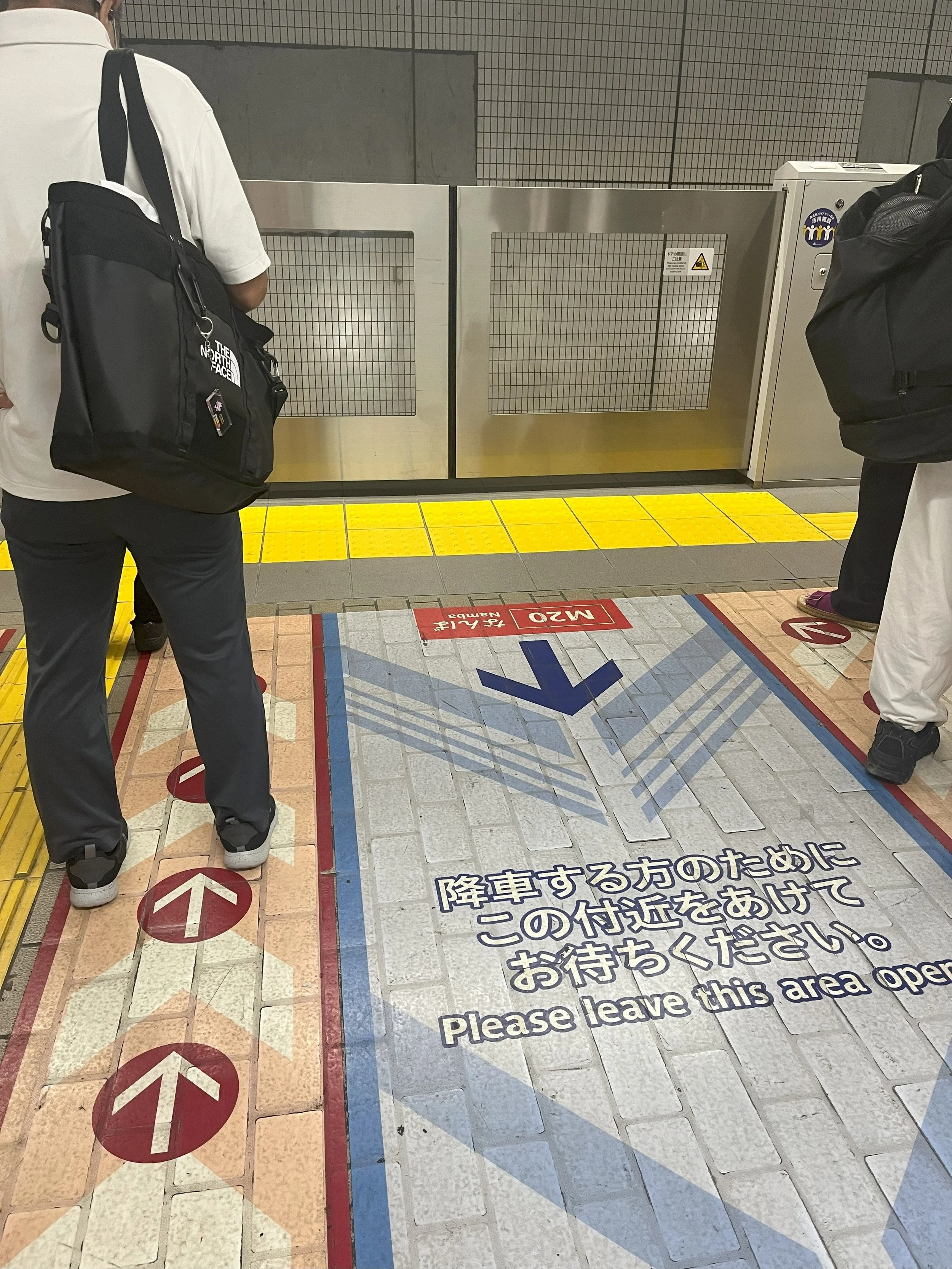
Everywhere you go, you see it in action. On the streets, no one eats, drinks, smokes, or scrolls on their phone while walking. There’s no rubbish lying around — everyone takes responsibility for their own waste, carrying it home or finding a bin. On the trains, the same quiet discipline continues: no eating, no loud music, no phone calls, just calm conversation and a collective sense of consideration. When boarding, everyone patiently stands aside until all passengers have stepped off. Watching this unfold is a gentle reminder of how effortless order can be when everyone shares mutual respect.
The transport system itself is a marvel. If the timetable says 12:10, the train leaves at 12:10 — not a second late. Miss it? Don’t stress, another one will be along soon. Everything runs with precision, calmness, and care — the kind that reflects a society that values not just efficiency, but reliability for the sake of others.
Food was another area where respect shone through. From the simplest sandwich to a multi-course banquet, the Japanese approach food with thoughtfulness and pride. Every meal, no matter how small, is beautifully presented, carefully balanced, and full of heart. We especially loved the tiny restaurants with just six to twelve seats, where the chef cooks right in front of you. There’s an unspoken connection between chef and diner — every movement deliberate, every dish prepared with quiet joy.
Then there’s convenience — only in Japan could you find a perfectly chilled beer, whisky, or coffee from a vending machine at 2 a.m. Yet even with all this freedom, everything is neat, clean, and respected. No broken machines, no graffiti, no misuse — just trust and responsibility.
But one of the most powerful lessons came from simply watching the children. Every day, you see them — even the tiniest little tackers — walking to school by themselves. No parents, no supervision. Just small backpacks, bright yellow hats, and a quiet confidence. At intersections, they wait patiently for the walk sign to turn green. When a car stops to let them cross, they bow politely to the driver before walking across with calm assurance. It’s an incredible thing to witness — children as young as five or six -some even younger - moving through their world with independence, respect, and trust. Safe, happy, and confident — because they know they are safe in a society that values and protects them.
That sense of responsibility and awareness begins early, and it runs deep. During the 80th anniversary of the Hiroshima atomic bombing, we heard the Year 6 children’s message — words that will stay with us forever:
“We, the children, also have the ability to take action for peace. In order to avoid repeating what happened that day, to avoid repeating the history of Hiroshima, we will build peace by continuing to convey the will of the hibakusha and weaving our voices together as one.”
What extraordinary wisdom and empathy from such young voices — a living reminder that the next generation is already carrying Japan’s greatest lesson forward..
And finally — one of those moments that truly sums it all up. As our plane was pushed back from the airbridge, the entire ground crew lined up, stood tall, and bowed deeply to us. A simple gesture, yet one that spoke volumes. Respect for the passengers. Respect for the job. Respect for the moment.
That image, and so many others we carry home, tell of a culture that has got it so right.
How 124 million people live harmoniously in a country that runs like clockwork, yet still feels warm, personal, and deeply human, comes down to that one word — Respect.
It’s a quiet power, lived by example every single day.
An unforgettable journey — and a lesson we’ll never forget.
Underground Chef is designed to fit into real life, not take it over. You can start gently, explore at your own pace, and choose the level of guidance that feels right for you.
There’s no pressure to commit and no long-term lock-in. Just thoughtful support, clear guidance, and a way of cooking that works around how you live today.