CT Recipe Vault: Confit Duck Leg with Plum Sauce on Asian Master Stock Noodle Bowl
A Chef’s Table noodle bowl built the smart way: confit duck crisped and glazed with plum sauce, served over vermicelli with bok choy and a master stock boosted by shiitake, star anise, and lemongrass-tamarind lift.
Recipes | Chef’s Table Exclusive
This month’s Chef’s Table bowl looks like restaurant food — because it is. The difference is you’re building it the way chefs actually do at home: smart foundations, confident assembly, and a few key moments where technique matters (crispy skin, glaze, clean aromatics).
A Note from Chef Ian
If there’s one thing I’ve learned over decades in professional kitchens, it’s this:
Great food doesn’t come from doing everything from scratch. It comes from knowing what’s worth your time — and what isn’t.
At first glance, this bowl looks complicated: aromatic stock, glossy duck, sweetness and acidity, rich broth, fresh crunch, balance in every mouthful.
But the truth is simpler.
This dish is built on chef-style building blocks, not long ingredient lists.
The chef’s shortcut (that doesn’t feel like a shortcut)
In restaurant kitchens, we rarely start from zero. We use foundations that are already balanced and dependable — stocks, reductions, sauces — then we add the parts that make the dish feel alive: texture, freshness, and finishing touches.
For this bowl, the flavour backbone comes from three chef-approved pantry staples:
Bone Roasters Chicken Stock — slow-cooked depth and body without hours on the stove
Saucy Wench Plum Sauce — sweetness, shine, and caramelisation ready to go
That means: √ No chasing obscure ingredients. √ No stress about flavour balance. √ No “it tastes flat… now what?” moment.
You’re free to focus on the satisfying part — assembly, texture, and enjoyment.
Why confit duck works so well at home
Confit duck is one of the most forgiving proteins you can cook with. It’s already cooked, deeply flavoured, and rich — ideal when you want confidence without compromise.
80g Saucy Wench Plum Sauce (plus extra to spoon over)
Asian Master Stock
500ml Bone Roasters Chicken Stock
60g fresh shiitake mushrooms, sliced
40g Saucy Wench Lemongrass & Tamarind Sauce
2 star anise
1 stalk coriander, finely chopped (or a small handful leaves + tender stems)
1 bunch bok choy, halved lengthways
Noodles & Fresh Elements
30g rice vermicelli noodles
50g bean sprouts
1 spring onion, thinly sliced
To Finish
10g fried shallots
Method
1) Prepare the noodles
Place vermicelli in a bowl and cover with boiling water.
Soak 10 minutes, then drain well and set aside.
2) Build the master stock
In a saucepan combine:
chicken stock
shiitake mushrooms
lemongrass & tamarind sauce
star anise
chopped coriander
Bring to the boil, then reduce to a gentle simmer.
Simmer 15 minutes to let the aromatics round out.
Chef’s note: Don’t add vermicelli, bean sprouts, or bok choy yet — they’ll overcook and go sad.
3) Heat + glaze the duck
Air fry duck legs at 175°C for 10 minutes until hot through.
Warm the plum sauce gently (microwave or small saucepan).
Brush duck generously with plum sauce.
Increase air fryer to 200°C and cook 3–5 minutes until glossy, caramelised, and the skin is crisp.
4) Finish the soup
Add bok choy to the stock and cook 2 minutes (just softened, still bright).
Remove and discard star anise.
5) Assemble
Place vermicelli in the centre of each bowl.
Top with bok choy, then bean sprouts.
Place duck leg on top.
Ladle hot stock around (not over the duck — keep that skin crisp).
Spoon a little extra plum sauce over the duck.
Finish with spring onion + fried shallots.
Serve immediately.
Chef Tips
Keep the duck skin dry: If it’s wet, it won’t crisp. Glaze late and blast at the end.
Broth balance: The stock brings body, tamarind brings lift, plum brings sweetness. Taste the broth before serving — if you want it brighter, add a tiny touch more lemongrass & tamarind.
Texture matters: Vermicelli soft, bok choy silky, sprouts crisp, shallots crunchy, duck rich. That contrast is the whole point.
Optional Variations
No shiitake? Use any mushrooms, but slice thin and simmer long enough for depth.
Want extra heat? Add chilli oil or sliced chilli at the table (keep the base balanced).
More greens? Add snow peas or broccolini in the last 60 seconds.
Skill Focus
Building a “restaurant broth” without starting from scratch
This is classic chef thinking: use a quality foundation, then layer aromatics and finishing texture. You’re not cheating — you’re cooking like a pro who values time and results.
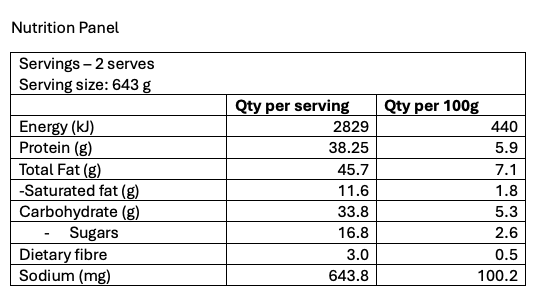
Linda Kilworth’s Nutritional Insight
This dish is packed with flavour. Each serving meets protein requirements, but is a little higher in fat as duck is a fatty poultry.